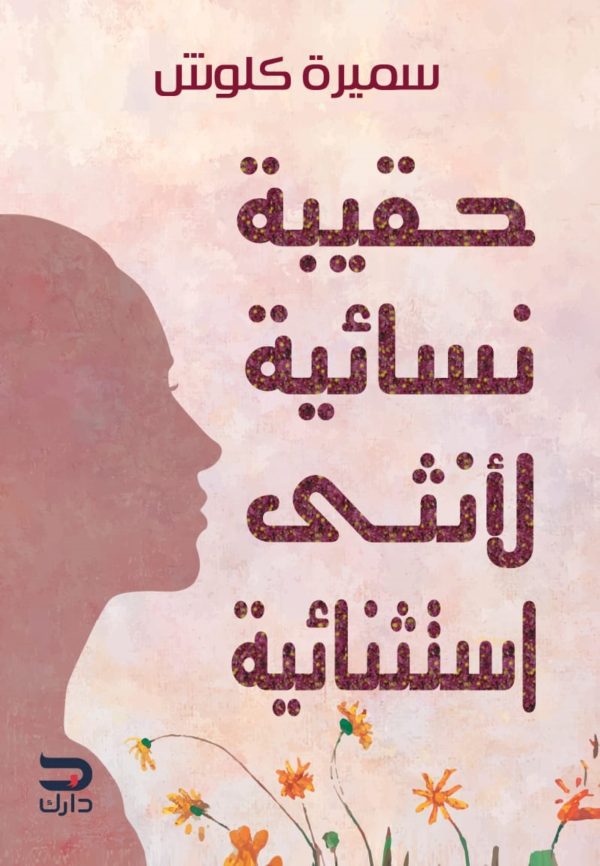
Life is a drama, and drama is a drama within this drama, and most of it talks about this drama that emerges from it, and the process of acting is the enemy of this drama. The more we are honest in presenting this drama, and the more we are spontaneous, the more we seem real, and the exact opposite is true. When you look like you are acting, you will be closer to failure, and farther away from the audience’s love. Even a clown must clown with sincerity and spontaneity that makes him appear real. Our example is Charlie Chaplin, who used clown tools in all his roles that people know, and the audience interacted with the humanitarian issues that he raised and sympathized with them. .
We all know that what is presented on the screen are nothing but events that have no basis, so we think, but why do we follow them if we believe that? We follow it because we are in fact the heroes of this drama: its author, director, actor, and the rest of its makers speak in our name, act for us, and represent us at the same time, and when we follow them we are watching ourselves, or details from it.
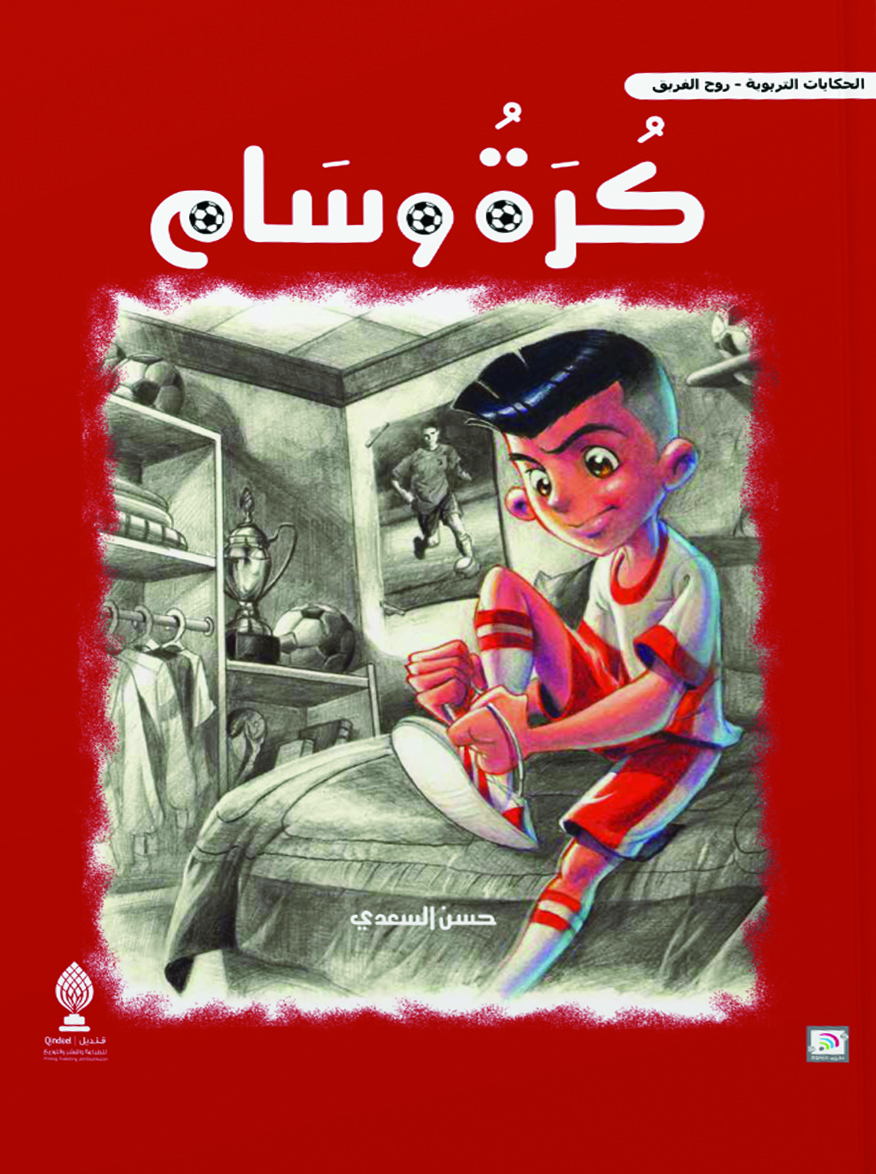
This collection presents a group of stories that attempt to approach the worlds of drama in one way or another, in writing and acting.
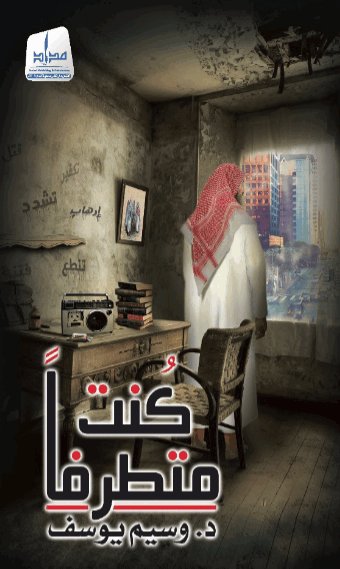
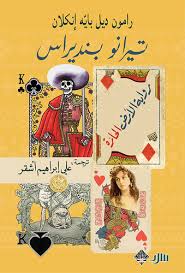
A mysterious, sick man in his forties arrives in a remote town, but he refuses to stay in the asylum to receive treatment, choosing instead to stay in a hotel and rent an abandoned house in the town, where he goes up from time to time. The man's life is almost devoid of events except for receiving regular letters from two different "women" who visit him later and stimulate the curiosity of the townspeople to make judgments and draw different plots for the relationship that the man may have with them.
Like Juan Carlos Onte's other books, this novel surprises the reader with the fact that each sentence is formulated in a unique way and ends unexpectedly, as if it were carefully woven to amaze him and provoke him to contemplate how its author squeezed the energy of each word to convey the greatest amount of feelings.
“Honour killings” are described as “a noble name for a despicable act,” and despite the media hype surrounding this type of crime, large segments of the public lack basic information related to it, the context in which it occurs, and its true proportion within society.
Therefore, the book seeks to fill this deficiency by starting from the definition of this type of crime, linking it to the so-called “honorable motive” for the act of killing, and then moving on to shed light on the direct and indirect causes that are hidden behind them. While it also provides a detailed study of the mechanism by which Syrian law deals with this type of crime and the extenuating excuses for it, it then addresses the phenomenon of using minors to carry them out as a means of circumventing the law, the position of international law on this type of crime, and its social dangers, and ends by finally highlighting its presence in Drama, literature, and poetry.
Through this comprehensive book, lawyer and researcher Ahmed Sawan addresses the phenomenon of “murders of women under the pretext of honor” from different angles that are rarely combined in one book.