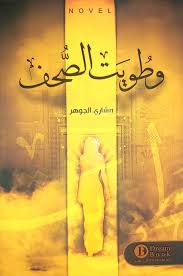
وإن كُنّا ملائك ولسنا ملائكة.. وما عبدنا إلا الواحد الأحدوإن في هذه الدنيا أجناس ..نفوس تهيم بلا جسدوإن سيرتنا قد أنورت وأبهرت.. في كل أسطورة عاشت إلى الأبدوأن هذا أوانها لنحكيها ونسردها ... فتبلغ كل ذي عقل ورشد
عقل كامل جديد: لماذا سيحكم المبدعون المستقبل هو كتاب لدانيال إتش بينك. يفترض الكتاب أن مستقبل العمل العالمي ينتمي للمبدعين. نشر الكتاب من طرف كتب رايفرهيد
It is said that doors close in our face so that we can stay with ourselves for a while and learn something No to keep us trapped in the same place... And do not prevent us from what is behind this door. Books are opened to help us open the doors of life again, just like a gentle tulip that helps us overcome life's adversities Let this book, dear reader, be for the soul an outlet for light and a way to cross... Every moment you feel exhausted and lonely Remember that you are capable of overcoming, and you are capable of more. To make this world nice, bright and dazzling.
Tirano Benderas suspects Colonel Domitiano della Gondra of conspiring against him, and when he discovers a simple mistake committed by the latter, he provides the tyrant with the pretext he needs to arrest him, so he issues a secret order for his arrest, but a prostitute who can read minds knows about this, and warns the colonel. In the midst of the country's annual celebrations, Della Gondra flees and joins the rebels against the tyrant's rule.
In this novel, which is considered one of the first novels written in the Spanish language about the dictator, before other writers from Latin America entered this field, “Ramon del Paye Inclán” presents a vivid depiction of the character of the tyrant, in a circular structure, full of short chapters and closed scenes that together constitute A rich text with its internal rhythm, wonderful images, and multiple linguistic levels.
«المساكين» هو كتاب نثري صِيغَتْ صورُه من آلام النفس الإنسانية في صورة قصصية يرويها لنا الكاتب على لسان الشيخ علي شيخ المساكين، الذي يقصُّ مأساةَ الفقر والعَوَزِ الإنساني في رحاب قصصٍ تحمل الكثير من العِبَر والعِظات الدينية والاجتماعية. ويعرض الرافعي في هذا الكتاب فلسفة الفقر التي يصيغ تفاصيلها بواسطة أدواتٍ من البلاغة الأدبية التي عَهِدْناها منه؛ لأنه المبدع الذي ينظر إلى مأساة الفقر بنظرة الفيلسوف ومداد الأديب الذي يحوِّل مأساة الواقع إلى صورةٍ بلاغية تحوِّل الفقر إلى طاقة إبداعية، تضع الفقر في صفحاتٍ من الحكمة الفلسفية والبلاغة الأدبية