We are the generation of war, and our parents are the generation of defeat, and between them souls grew old, and the concepts of war and love became similar to them.
Things are too big to tell, but I believe that a story alone is capable of creating a small homeland that we carry in our pocket, and that we talk about to our children who were born outside the homeland, and who carried its mark on their faces, tongues, and identities without seeing a stone in it. Only a story is sufficient to create the imaginary homeland in their minds alive. .
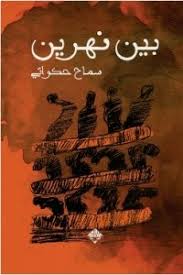
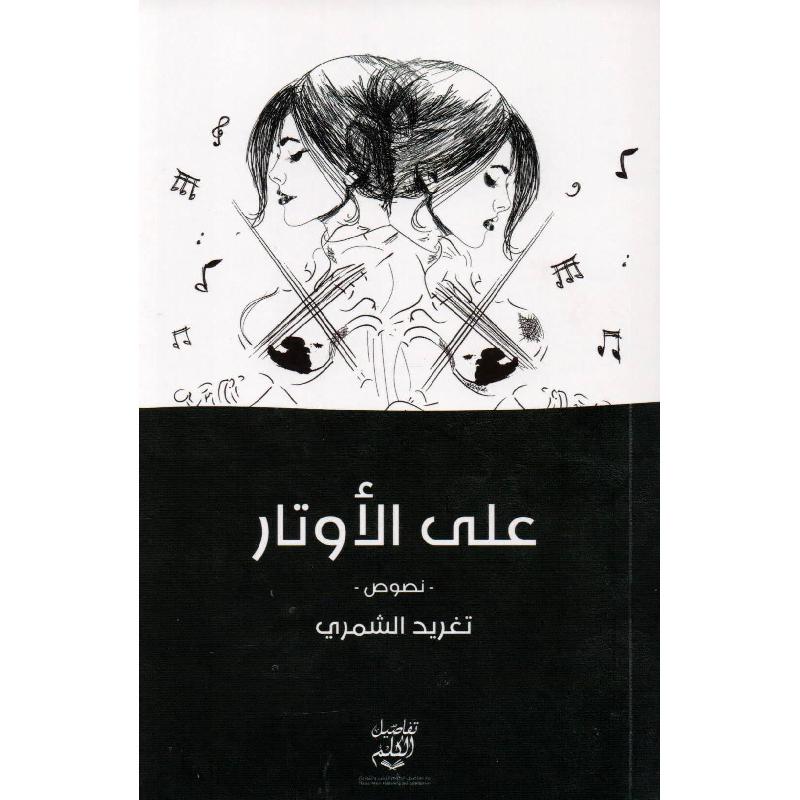
This collection deals with stories from the lives of women who lived between two rivers. Between Syria and one of the asylum countries, it is concerned with the small details of these two lives, and the effects that the war had on the lives of these women: disappointment, loss, escape, and love.
It is an attempt to overcome the great scene of war, and the frost of the borders creeping as a river of ice between the shoulders, with small details, in which the voice rises and asks: “Yes, I lived between two rivers, but which of them lived in me?”
The word has a stronger effect than the effect of an arrow. With a word we contemplate, with a word we become discouraged, with a word we increase courage, and with a word we retreat. The most powerful word is the one that has a change in the soul for the better, and encourages you to review your life accounts, to evaluate what you have presented, what you will present, and what is your life’s approach.
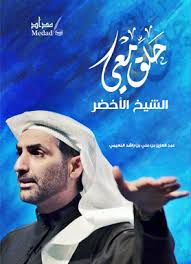
“Fly with Me” is one of the books that influences the human psyche, due to the depth of its approach, starting with the title of the book until the last letter in it. I direct the recipient to the word of command with the motivational word “fly” that has a direct effect on the subconscious mind to look up, and the writer linked this matter to a more profound word. .. “With Me” left his mark in achieving this, and the intelligence in motivating the reader to take flight was spot on, as the writer moves in gradual stages in each topic he addresses.
The introduction to the book was inspiring, as the writer deliberately explained the symbol of the “falcon” in how it inspires people to aspire to the best, patience, courage, ambition, freedom, and discovery. Then he takes the reader to situations and stories that raise the spirits, excite the soul, revive hopes, and present him with important points that guide him to maintain this high determination and create the path for him to achieve. His goals, citing realistic examples that are simple in their narration, close to the heart, and inspire people regardless of their affiliation, gender, or orientation.
After the writer lit the fuse of inspiration in the reader's mind, and instilled in him the enthusiasm to face all of life's challenges, he began to arm him to face these challenges, and shed light on abilities that exist in humans but are neglected and inactive, so he focused on the human senses that go beyond the five conventional senses.
While you are on a journey with the writer, you feel that you have wasted energy, the most important of which is the sense of imagination, insight, and telepathy, which could bring about a big change if we were fully aware of their presence in our daily practice. What is most important in conveying all this amount of values and information is that it is far from idealism in application and close to human life. You will be inspired by balance and be convinced that simplicity in presentation adds to the value provided, and this is the secret of the book’s distinction.
When you read a motivational and inspiring book such as “Fly with Me,” you will be struck by its realism, inspiration, simplicity, diversity, and impact. This is because in each value the writer presented a real situation that you live, apply, and learn. Thus, the book has a soul, mind, and heart that the reader imitates, and you feel between the lines that you are reading a friend or relative who knows what is inside you and fills It creates empty questions within yourself and motivates you to aspire, strive, and persevere, so you have no other way but to soar.
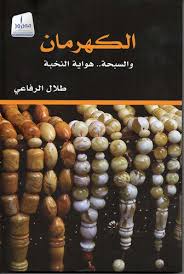
Amber and rosaries...the hobby of the elite: You will find, dear reader, between these pages some of the magical power that emanates from this yellow stone, weaving a garment of passion to search for the secrets hidden in amber. Your interest, dear reader, even a little, in the amber stone will be for you the beginning of an endless love. The more you enjoy it, the more you will be enchanted by its magic. You will find yourself faced with two choices: either you can be enchanted by it...or you will be enchanted by it. Talal Al-Rifai
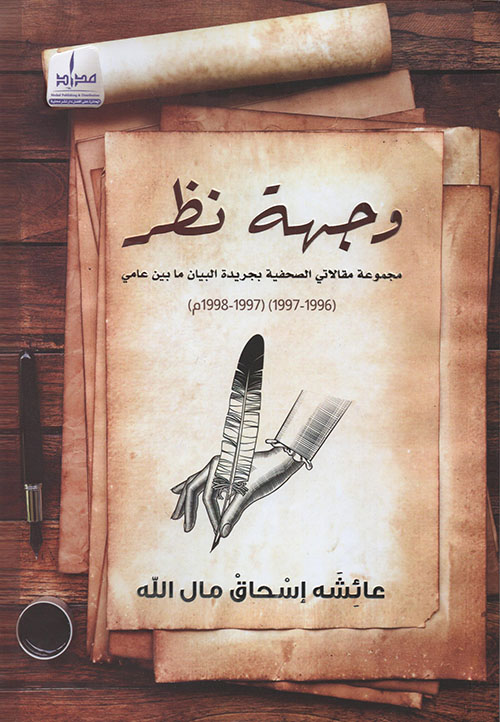
Point of view : Between the two sides of the book “Point of View”, you will seek a harmony between thought and speech, resulting from A harvest From various articles I have read: _ Ideas and topics that .......... saw the light and refreshed the reader's memory. _ And feelings...........that may please the souls of some people and may anger others. _ And behavior...............that may be translated into a more beautiful reality.
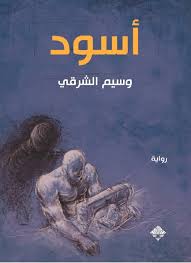
Moving between Zabaltani, Dawaila, Saydnaya, and all the way to Istanbul, Ahmed Aswad - a tailor on a sewing machine - tells the story of his life as it appears to him, a life full of transformations and first experiences: the beginning of falling in love, traveling, and planning a murder.
In a special language that may seem neutral, but it is sarcastic and full of emotion, Wassim Al-Sharqi explores forgotten corners of the lives of a marginalized segment of Syrians before 2011, such as: smugglers on the Lebanese border, or sewing factory workers, and patrons of bodybuilding clubs and bars in old Damascus.
“Black” is a journey to delve into the motivations and drivers that direct people’s behavior and destinies, and an attempt to trace the source of the blackness that surrounds our lives and settles in our souls, difficult to disappear.
Merciful heart:
Neutral texts, for loved ones, and as you read beyond all of this, contemplate yourself, contemplate what is around you, contemplate those you love, even from afar.
For everyone who has never known the path except through love... and yet they suffer
In the hope of obtaining a blessing for which he thanks God and calls it “the Most Merciful of the Heart.”