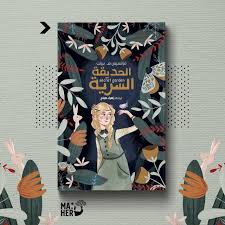
Misfortunes befall the Levant Sharif, the birth of strange children increases, drought and poverty prevail, and the attempt of Ibrahim Pasha and the apostles of the French Revolution who joined him to overthrow the state of the Ottoman Sultan is nothing but a sign of the imminent arrival of Satan, as the religious extremists see, trying to preserve the Levant Sharif, fighting the creation Newspapers and comics that encourage obscenity.
All of this is happening outside, while Arwa sneaks into Bernardo’s house and messes with a strange drawing of a complete being, carrying both masculinity and femininity.
In an interesting plot that combines imagination with history, myth, and folktales, Khairy Al-Dhahabi tries to read the effects of the French campaign in Syria, and monitors the return of theater to the Levant, discussing many problematic issues: myth, masculinity and femininity, and the Damascene people killing those who are gay among them.
In 1949, writer Helen Hanff began correspondence with a used bookstore in London, asking them to help her secure some classic books that she could not find in New York. Over the course of 20 years, letters are exchanged between her and the store’s employees, especially Frank Doyle, who secures the books and sends them to her. This correspondence begins with a request for a copy of Hazlitt’s Three Essays and gradually deepens, building a transparent human relationship between book lovers on both sides of the ocean. In the details of their personal lives on the one hand, and chronicling the history of the two countries on the other hand, it includes talk about the food crisis in Britain after rationing, the pivotal elections in both countries, the sports clubs, their social life, Frank’s family news, the development of Helen’s professional career, and even the method of making pudding.
تنفتح رواية الكاتب العراقي سنان انطون «وحدها شجرة الرمان» (المؤسسة العربية للدراسات والنشر) بسردية حكائية بسيطة تفاجئك احياناً بانعطافاتها إلى صور حلمية فنتازية، متقطّعة بحسب خطوات السيناريو السينمائي، على مشهديات الموت الذي يلتهم قلب بغداد المحتلة، والذي يظل ماثلاً امام ناظري جواد الذي يمتهن غسل الأموات وتكفينهم، بعد ان تعلّم أصول المهنة ومبادئها وأسرارها على يدي ابيه. وهي مهنة توارثتها العائلة منذ زمن بعيد. غسل الموتى هذا كان يجري قبل الاحتلال الأميركي للعراق على رسله وطبيعته المعتادة. وبوطأة الحرب الضروس، والاقتتال بين ابناء البلد الواحد جماعات وأفراداً، ازدادت وتيرة القتل ازدياداً ملحوظاً، واتخذ شكل الموت ضروباً مروعة من التمثيل بالجثث والتنكيل بها، طعناً وخنقاً وحرقاً وبقراً وتقطيعاً. وقد وصل الأمر بجواد انه تبلبل واحتار بكيفية غسل رأس مقطوع بلا جثة، وجسد قُطّع بمنشار كهربائي غسلاً طقوسياً يفترضه الشرع الإسلامي قبل الدفن.