About the book (Introduction to Project Management)
This book mainly aims to present important concepts in the science of project management, not only to project managers but also to all those interested, participants, stakeholders, and stakeholders in the project environment. Also, the book targets the student in the scientific fields (management, engineering, information technology, etc.) that are related to project management and its knowledge in one way or another, adopting a method that is appropriate for the educational and academic process by explaining the concepts and presenting questions in the form of multiple choices at the end of each chapter.
The book is divided into eleven chapters:
• Project management overview
• The role of the project manager
• Project planning management
• Project scope management
• Project scheduling management
• Project resource management
• Project cost management
• Communication management
• Quality Management
• Risk Management
• Project Management Office (PMO).
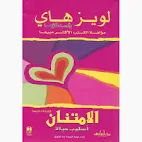
This book is nothing but a summary of several sciences and courses in my specialty (psychology), as I mixed the sciences of psychology, feng shui, and colors with general culture, and I derived the idea of the book and its unique name, “Psychology,” which combined the psychology of colors into one new, concise word.
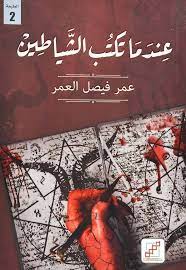
يتحدث في هذا الكتاب عن الخليفة الثالث عثمان بن عفان وعن اريحيته وليس عبقريته. و يقارن بين ما كان عليه العرب قبل الإسلام من ظلم الحكام إلى ما وصلوا اليه من محاسبة الحاكم وهي إحدى أهم ركائز الديموقراطية ويتحدث عن حادث مبايعته كخليفة وكيف تم اختياره من بين صحابيين جليلين هما: علي بن أبي طالب وعبد الرحمن بن عوف وان اختياره لم يكن خدعة للامام علي.
He was working in a sales company to support his family, which consisted of a father, mother, and sister. He worked to pay off his father’s debts that had burdened him. He is the “good son” as long as he performs his duty to the fullest extent, and any change in this is accompanied by anger, rejection, and neglect. In his workplace, which he found himself forced to live with, the state of domination and control by the chief of staff on the one hand is clearly evident, while on the other hand, it is matched by a state of subservience and submission on his part.
In fact, he has an unconscious desire to be fired from his job, but he fears for his family. From here arises a state of schizophrenia, as the two models of the cruel father and the boss represent the controlling authoritarian principle, and this is what arouses in him both submission and the spirit of rebellion.
He tried to follow the rules, to be a polite boy, to be rational as his boss described him at work... and between all these honest attempts, we find him completely losing himself, and he began to experience a surprising existential crisis!
Here he wakes up from his nightmares one day to find himself transformed into a disgusting “insect”!!
At first glance, he thought he was still dreaming, and amid the chaos and unreasonableness of the events, he needed conclusive evidence to confirm to him the veracity of the event, and this is what he got when he found his family shocked and terrified by the horror of the event. Then he realized the reality of the event and exclaimed, saying: “No, it is not a dream.” .
The chain of expression formation takes shape in the writer’s imagination, and emerges in the form of an interconnected fabric.
It reveals to us the ability of its writer to express...and expression is an art that only those who are able to convey to us what he expressed are good at.
The image (a snapshot) was not made fleeting by the camera... because it stopped its movement to preserve it in all its beauty and splendor...
Therefore, the image was a tool of expression other than the word... and between the word and the image (a snapshot) that the photographer took
With his artistic sense, he conveys it from his angle through his lens...and the writer documents it to convey its image in his letters...
There are many pictures that we have memorized from the angle of their photographer.. and many are the sentences whose reality we imagine
From the writer's letters... and between the word and the image was the soul of this book... which breathes through the lungs of the word and the image
In order for the spirit of expression to remain alive, stop at beauty and inhale its fragrance through its expression..
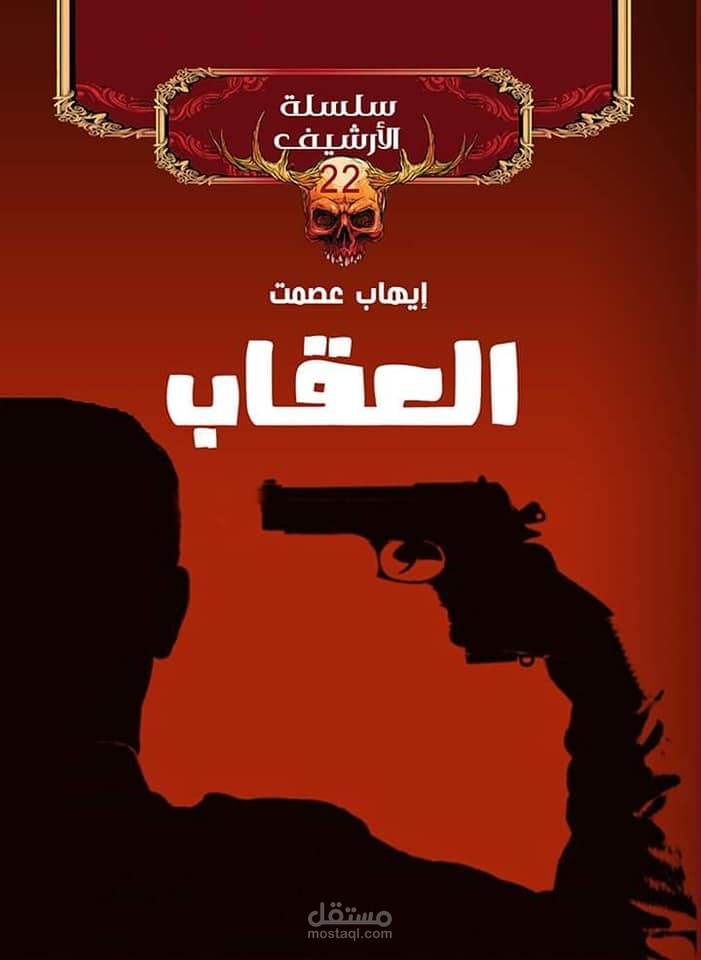
«فجأة لمحت امرأة تشبه مستورة... ووجدتني أتساءل أين ذهبت؟ ولماذا تصر زوجتي على استرجاعها؟ هل لأنها نشيطة ونظيفة فحسـب؟... أم لأن المرأة لا تحتمل أن تغدر بها امرأة أخرى دون أن تعرف السبب؟