Twenty years have passed since the end of World War II. A foreign man returns to the German city of Dresden to visit a friend. But instead of his friend, he meets a twenty-year-old girl who works in a new hotel, and a long night-time conversation takes place between a man who spent the last two years of the war in that city, and survived the devastating bombing and Nazi concentration camps, recalling all the pain and tragedies he experienced, and a girl from the next generation. The war, whose horrors he did not know or experienced, is trying to live with a legacy burdened by the crimes and atrocities of his fathers.
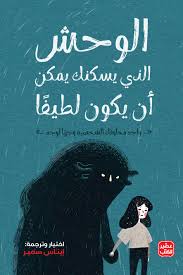
"I can't help you, my little love. It's your fight and you have to fight it alone. No one's going to help you, not even me."
Nathan Price, a Baptist minister, leaves civilized America, going on a missionary mission to the Belgian Congo, bringing with him his family, who carries with them everything they think they will need, but the African land surprises them, turning everything they brought into something worthless, and even their very existence will be full of challenges. Especially with the political events that are ravaging the country that is struggling to gain its independence, and the major powers are interfering in it, assassinating Patrice Lumumba, the country's first elected prime minister.
The novel is alternately narrated by the mother, who loses something irreplaceable there, and her four daughters, each of whom narrates what is happening in her own way, trying to find her own separate path to salvation.
“The Poison Tree Gospel” is an intense journey in the vibrant African land, and a deep exploration of the other, written with a smooth narrative in which Barbara Kingsolver worked to transform the thorny threads of religion, politics, and race into a piece of literature of breathtaking beauty.
This novel was nominated for several literary awards, was translated into more than thirty languages, and sold more than four million copies around the world.