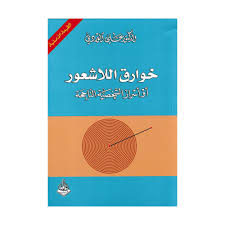
كتاب خوارق اللاشعور هو دراسة للنفس البشرية حيث يبحث مجال العبقرية البشرية و كيفية الوصول إلى هذه المرتبة وكذلك دور العقل الباطن في العملية الفكرية و كيفية استغلاله ولعلى الوردى دور كبير في هذا المجال ويعتبر من أبرز من ألف في مجال الكتب الفكرية.
Ever since the Parisian girl Marie-Laure lost her sight, she has been living her own world, either between the pages of the books her father brings her, or in the corridors of the National Museum of Natural History where he works, enchanted by the wonders of the museum and the imaginative stories she hears about its holdings, especially the mysterious jewel: the Sea of Flames. She spends her days with her father with her usual routine, until the war begins, forcing them to run away carrying a dangerous secret.
On the other side of the war, in an orphanage in a small German town, a German teenager spends his days with his little sister, fascinated by the magic of radio and its ability to transmit news and stories from distant lands. Werner pursues his obsession to become an expert in installing and repairing radios, until the war requires him to join the engineering forces in the German army.
Through their story, Anthony Dorr tells in his charming novel about the good that we may see despite the ugliness of war, and about what war does to dreamers.