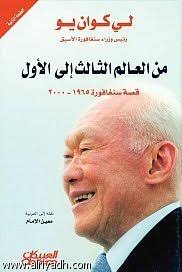
لم يتوقع سوى قلة قليلة من المراقبين أن تمتلك سنغافورة الصغيرة فرصة كبيرة بالبقاء، حين منحت استقلالها عام 1965م. فكيف - إذن- أصبحت المحطة التجارية النائية ...
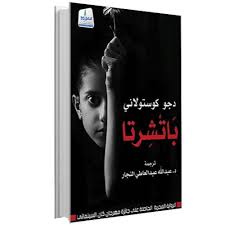
The novel tells about one week in the life of the Vaikai family, which embodies the nature of their life for many years. Husband Aakush Vaikai lives with his wife and daughter Patcherta in a house in a small, dull town called Charsaj. The reader soon learns that Bachirta is no longer young, but is thirty-five years old, and that she is very mean, which represents a great concern for the parents; She may never find a husband for herself, and they have reached a very old age, and death may take them at any moment. So their main concern was to hide their daughter's blood and protect her from the world. Excitement is great now in the family; Patcherta is preparing to travel to Tarku Farm, where her uncle Bella's family lives, to spend a week with them, and she will be away from them for the first time. The parents prepare their daughter for travel with fearful thinking. The parents haven't been going anywhere for a long time, and haven't been together for years. They go to church alone, and the reason is Bachirta's ugliness, which exposes them to severe embarrassment because people make fun of her. The parents drop Bachirta at the train station and say goodbye to her. During the week, parents feel more relaxed than they have ever felt before. Yes, they miss their daughter, but now they can meet old friends and hang out again without fear of any embarrassment. One time, the husband was playing gambling with his friends and drinking in a restaurant. He was very late, and the wife waiting at home did not know where he was, because he used to come home sometime before midnight. When the husband returns home, he quarrels with his wife. In a slightly drunk state, he speaks very frankly about his daughter's condition, which calls for ridicule, and says that perhaps it is better for them that his daughter travel and not be at home. It is clear from the mother’s words that she knows that the husband is right, because their daughter is ugly and very ugly, and therefore it is difficult for her to adapt to society or find a place for herself in it, but nevertheless she strongly defends her daughter, and tries to spread hope in her husband, and even in herself first. The week passes, and the parents head together to the train station to receive their daughter. The train is late and they start thinking bad things, but Bachirta arrives in the end. The father feels that all is not well with Bachirta. He knows that his daughter was, in fact, a burden to everyone on her uncle's farm, and she could not adapt there and even Uncle Bella's guests did not accept her. Patcherta lies on her bed in her room and starts thinking. He was surprised that her being away from home was in vain. She learned that although they welcomed her at the farm with love and treated her kindly, she was an obstacle in everyone's way. She turns the pages of her life in front of her, which only involves cooking, washing, and cleaning all her days. She begins to sob, and so that her parents do not hear her crying, she covers her mouth with her pillow, which is what she has done all her life. The novel deals with an issue that is widespread in our Arab culture now, which is the delay in the age of marriage for girls and the fear of spinsterhood, and discusses it from the perspective of the prevailing culture in Hungary in the second half of the nineteenth century. The novel also addresses some of the behaviors that occurred in society in that period and were strange to it at that time. It is denounced by the majority of people, especially the elderly who grew up in a world with better morals.
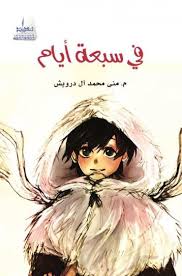
In Seven Days tells the story of a ten-year-old boy who is chosen
By wearing a magical robe to become the savior of the tribe and the savior of the land from the ice age. The day after he takes over his duties, he is surprised to find that his tribe, which has lived in frozen lands for more than 300 years, freezes. He sets off on a journey to save his father and the people of the tribe, in seven days, during which he meets his companion, the lion Ivan, who helps him begin his mission and reach the four kingdoms, the kingdom of the winds, the mountains, the moon, and the sun, the eternal kingdoms that control the earth. They are not in harmony, and when the conflict between them ends, the age will end. Glacier.
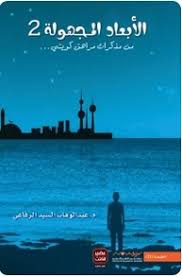
يدور محور الرواية حول مراهق كويتي (خالد) يعيش تجارب غريبة جدا في حياته يسردها من خلال 4 قصص تدور جميعها في عالم الميتافيزيقيا والتشويق والإثارة والغموض.
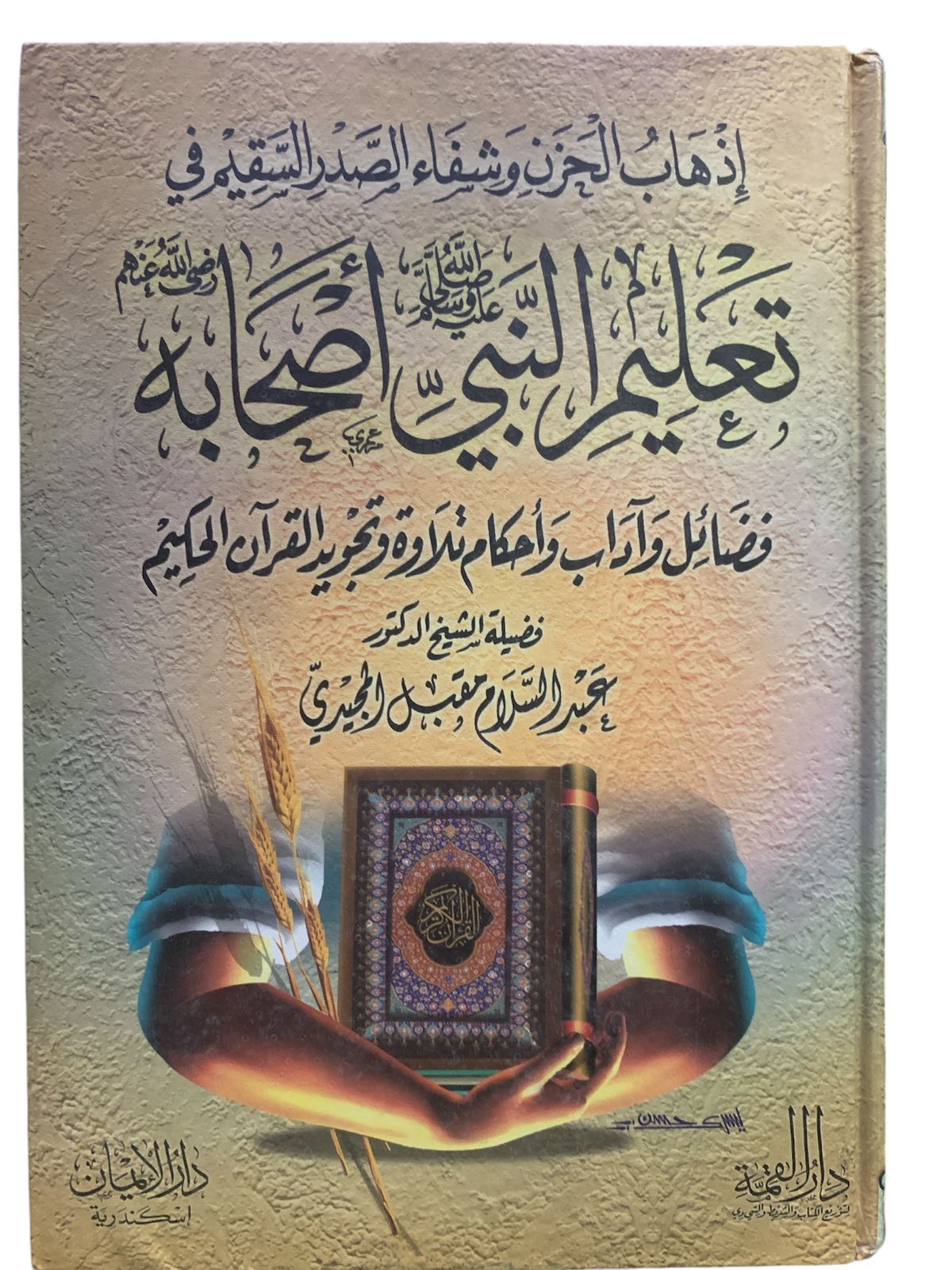
عبر التاريخ شهدت العديد من الحركات الدينية وعلى رأسها جماعة الإخوان المسلمين، مثلها مثل الأحزاب السياسية المحافظة، تصاعداً وازدهاراً خلال فترات الأزمات التي تمر بها الدول والمناطق الجغرافية من حين إلى آخر
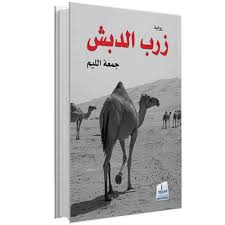
Zarb Al-Dabsh...
The Emirati writer, Juma Al-Laim, takes us to the world of Emirati heritage, in his novel recently published by Madad Printing and Publishing House, where he takes us between his lines to the old Furjan of Sharjah, in a narrative attempt to restore some of the images that are filled in the Emirati popular memory, about the period that witnessed the beginnings of transformation. Change and reform, and the period after the establishment of the United Arab Emirates, which embodied the aspirations of the people of the Emirates for a dear and civilized homeland.
In his novel, the writer focuses on the main hero in it, who is Abdul Rahman, and some of the contradictions and challenges that he experienced, like other young men at that stage, dealing in an interesting narrative style with social issues, such as the negatives that were prevalent in dealing with women, in terms of giving them the right to education, and obtaining... Its rights, many of which it was able to achieve, most notably education under the Union State.
It also brilliantly depicts the lifestyle that characterizes Emirati society, and the values and moral principles on which the people of the Emirates grew up, through the dialogues of the novel’s heroes, which embodied the image and features of that important stage in the history of the Emirates.
In his novel, the writer deliberately used the names that existed in that beautiful time, such as Zarb Al-Dabash, Al-Farij, Al-Mrayhana, Al-Saray, and other names that take us back to that beautiful time, full of kindness and simplicity, especially that intimacy and social solidarity that seems prominent in the novel. The lines of the novel, which are deservedly considered an evocation of the past in a brilliant narrative style, in which the writer depicts in words the details of social life, in the Emirates, and in Sharjah in particular.