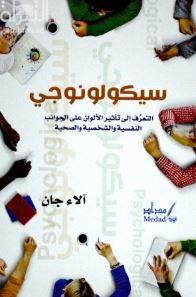
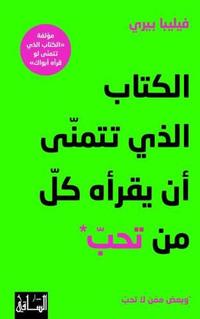
This book is nothing but a summary of several sciences and courses in my specialty (psychology), as I mixed the sciences of psychology, feng shui, and colors with general culture, and I derived the idea of the book and its unique name, “Psychology,” which combined the psychology of colors into one new, concise word.
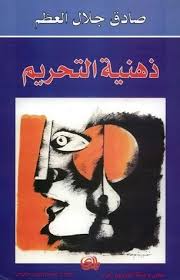
Sadiq Jalal Al-Azm takes the controversy and controversy raised by Salman Rushdie’s book “The Satanic Verses” in the late 1980s as a starting point to address what he calls “the mentality of prohibition and the logic of criminalization” among Arab thinkers, in a panoramic manner, and in other articles - added in later editions of the book - he addresses many of the issues Related issues, such as Orientalism, reverse Orientalism, concepts of cultural invasion, and authenticity. The writer dives behind the implicit meanings, trying to reach the essence, or the real motive behind the issues he discusses, and raises his voice loudly to argue and discuss the opinions of his fellow researchers and intellectuals: such as Edward Said and Adonis. The audacity makes these sober articles an important document of the discussions and dialogues that prevailed among Arab thinkers at that stage, even if one does not agree with any of them. What is important here is the celebration of free thought and debate based on diligence and knowledge.
Although the deep, passionate, and enjoyable discussions contained in this book provide many answers, they also stimulate many renewed questions that continue to trouble us and justify our need for readings of this kind.
Come a little closer and listen:
This book contains some of me and others. In it, I collected pages from my life and my readings of life, of people, and of those around me. Because we all live in a patch of earth of limited space and vast dimensions, we are all affected by what we see in others and in ourselves.
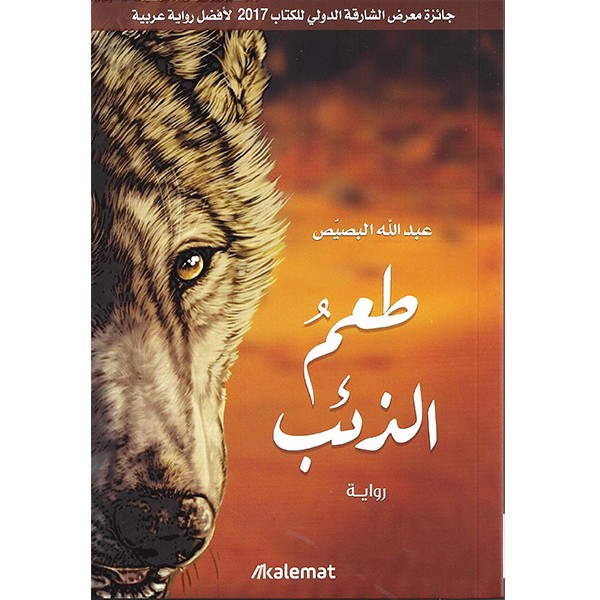
The country that only asks for its children to die is a dead country. The children who knew nothing but it, and would not think of leaving it, are hunting them down individually, so that devastation will be a clear future, and so that the thought of surviving the people’s experience of major battles for the sake of freedom, justice and change, is thinking. Very simple.
* * *
Time involves a new time emerging from its womb, and lessons are shed on its path
The ancient stories and the stories that were an example for an entire generation, and we who witnessed the violent moment of crossing were the bulwark of the old time and the living scepter in the hand of the new time, and for this reason we had to be divided and filled with deep cracks. Before we triumph over a part of us, and what died within us settles at the bottom of the painful times whose madness we witnessed.