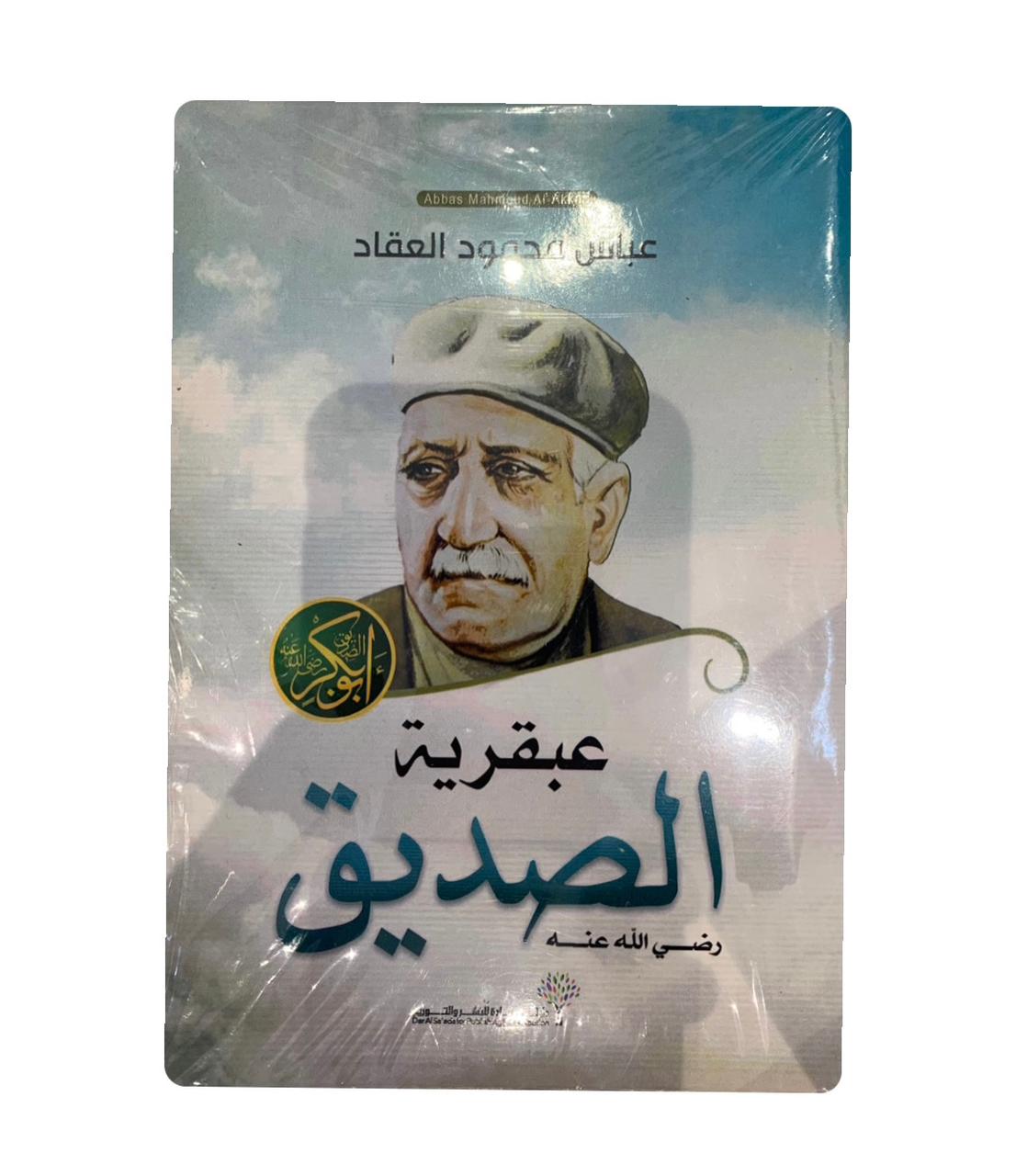
.. اعتنى الكثير من المؤرخين بترجمة سيرة الصحابي الجليل «أبو بكر الصديق» فلم يعد هناك الكثير مما يقال عنها، وقد أدرك العقاد هذا الأمر فجاء كتابه عن الصديق مختلفًا؛ فقدم دراسة نفسية تحليلية لشخصية الصديق ليتعرف على صفاته وسماته الشخصية ويستنبط بواعث سلوكه، فيسوق العقاد الأخبار والحوادث التاريخية لا ليعرضها هي نفسها بل ليضع يده على مفاتيح شخصية الخليفة الأول من خلال تعاطيه مع الأحداث وتعامله مع الناس. كما يقترب من بيئته وحياته قبل الإسلام وبعده وظروف إسلامه، ثم يعقد المقارنة بينه وبين «عمر بن الخطاب» ليظهر الفروقات بين شخصياتهما وطباعهما، كما يقدم جوانب من إدارته لشئون الخلافة في الدولة الإسلامية الوليدة وكيف تصرف تجاه الأزمات التي كادت أن تعصف بها.
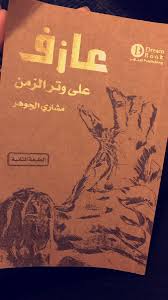
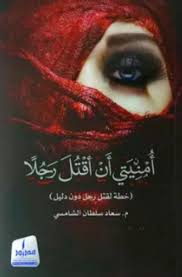
Between a complex reality and an unattainable dream... between the eternal wheel of time and patience that is about to run out.
. You stand with your hands folded, exhausted with strength, with your eyes closed, barely listening to the groans of those lost in the darkness of existence, shackled in the desolation of the universe, immersed in the depths of confusion. Your eyes move inside two confused eyeballs, and your tears shed slowly... and soon they meet the heat of your body... and dry up in moments. Your heart stops speaking the truth, unable to describe people who are squeezing pain with every sigh, and floundering between false truths and consciences destroyed by the disappointments of fate. A world in which tones mix with screams, and eyes shine with their paleness, searching for a safe haven that resembles the paradise of eternity... evading brutally stabbing glances, and silence surrounded by explosive cords... You are still here, feeling the way to reach clarity of mind and purity of memory, selecting from your mind what makes you steal away... Life is a smile, and from the paintings is a drawing, and from the wooden shelves is a book called “Love.” It is the messy word in the minds of lovers. Decades have passed like summer clouds and none of them understood its complete truth. The love that sweeps through your body in three seconds, controlling the entire control panel of your head... to guide you to... A complete relationship guides you to marriage... to taking responsibility, understanding feelings, enduring problems, and making sacrifices.
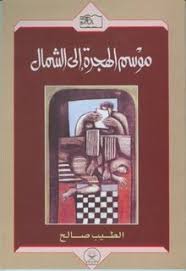
موسم الهجرة إلى الشمال هي رواية كتبها الطيب صالح ونشرت في البداية في مجلة حوار في أيلول/سبتمبر 1966، ثم نشرت بعد ذلك في كتاب مستقل عن دار العودة في بيروت في نفس العام. في هذه الرواية يزور مصطفى سعيد، وهو طالب عربي، الغرب. مصطفى يصل من الجنوب، من إفريقيا، بعيدًا عن الثقافة الغربية إلى الغرب بصفة طالب