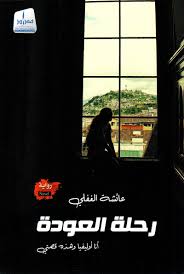
My name is Olivia. I was born and spent my early years in the American village of Alfred. I lived with my mother, father, and grandfather in one house, but my father did not spend much time with us at home. He traveled a lot because of his work and meetings held abroad, when I was in In the first stage of my studies, my grades were low, and that made my parents constantly angry with me until the day came when I changed my way of thinking and began to work hard to get first place in the ninth grade. At that time, I began to become attached to aviation and everything related to it until I decided to become a pilot. I am a co-pilot or a pilot, and the credit goes to my father, who used to tell me about the planes and events that happened to him during his travels. I would sometimes tell him about my desire to travel even once, but he could not because of his work, which took up his time. One day, Director James decided To accompany the outstanding students on a ten-day trip to Poland during the summer vacation. I was very happy because it would be my first time on a plane. The trip was all that occupied my mind until that day came and the dream came true to board the plane, which in turn would take us to Poland, but What happened did not occur to anyone. The plane crashed hours before its arrival, and I woke up two months after the crash, to hear the tragic news, which was that everyone who was with me had died and I was the only survivor. I was thousands of kilometers away from my parents and I had no way to reach them. At that time, my health condition was deteriorating, and I was afraid to go on a plane again, but despite everything that happened to me, fate sent me people who cared for me as they cared for their children, and that was the beautiful Victoria family, who brought me back to life after the plane crash killed her, a family that encouraged me and stood up. With me every moment I lived with them until I overcame the fear of flying and achieved my biggest dream, which was to become a co-pilot. As fate would have it, I would one day return to my homeland after an absence that lasted ten years, during which I did not know what happened to my parents or my grandfather. I returned to my homeland, to my village. I found my parents there, and they had two children, but my joy of meeting them did not last long. The surprise that turned my happiness upside down was when I discovered that my grandfather had died, and I was longing to see him.
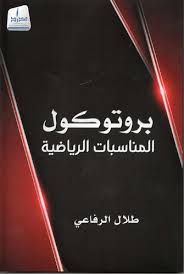
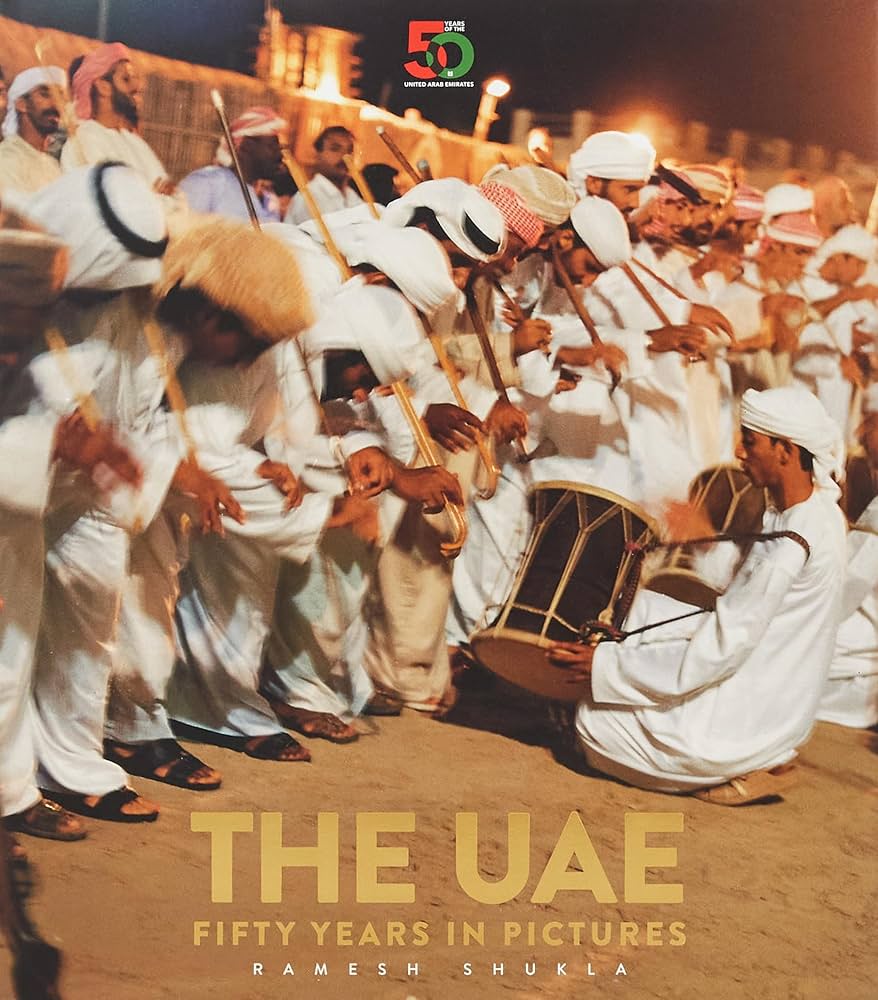
Sports event protocol...
Through my specialty as one of the former employees in ceremonies, head of the Presidential Protocol Department at the Ministry of Presidential Affairs, and through my participation in the committees organizing official and international competitions, events and celebrations, both continental and international, as well as local, for more than twenty years, I felt the need to document the experience due to the scarcity of sources. Specialized in this matter, and to be one of the references for researchers in this field and those interested in the organizational affairs of the events crowning the winning sports teams, and as a support for sports institutions and organizers of celebrations and events in sporting events.
هل كُتب علينا الشقاء والإرهاق، أم هناك في هذه الدنيا استراحة نفسية يمكننا جميعًا الوصول إليها؟ استراحة نفسية هو كتاب يمزج بين العلم والدين والفلسفة، ليصنع وعيًا