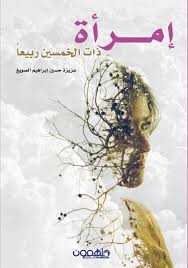
هذا الكتاب من تأليف سارة عبد الرحمن، تتحدث الكاتبة في عدة مقالات عن نصاىٔح لتطوير الذات والتغيير النفسي والروحي. 1014 كيف تجعل سفرك سعيداً ؟ ما هو الأمر الذي يجعلك سعيدًا؟ ما الذي يجعلني سعيدًا؟
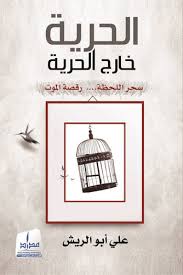
Freedom outside freedom
The magic of the moment...the dance of death
In this book, there is an attempt to remove the mind from the mind, that is, to free it from the residues of what it left behind
The waves on the coast are the waste of history and the remains of cultural restoration. Freedom is not like a woman
She is wonderful with her amazing accessories and cosmetics. Rather, she is naturally beautiful. She is wonderful when...
The mind gets rid of the clutches of selfishness, fanaticism, and superiority. Europe brought freedom at the hands of philosophers
Great people like Rousseau, Voltaire, and others, but this freedom did not fully mature, because it emerged from a veil, an emotional state, and so we found the mind that came to liberate the European man was himself.
The mind that enslaved people in the Arab world, and used all methods of oppression to impose
His control and influence over these peoples, why? Because the mind emerged from the slavery of the Church, but it did not
He is liberated from the history of slavery, which preceded the Church, and the Church is only a miniature image
A form of backwardness and opportunism.
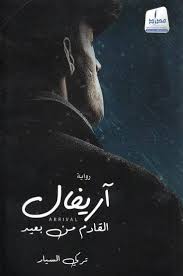
this book There are many questions that the novel “Arival... Coming from afar” attempts to answer through the character of “Salem,” the Arab Bedouin who comes to this society from the past, carrying the heritage and culture of the Arabs. He travels through time for a thousand years to discover facts and matters that he believes are taken for granted today, customs, methods, and traditions that spread without the guards of awareness, only to find official support from ignorance. The comparison between two societies separated by a thousand years begins, and Salem's eyes reveal moral decline and the fragility of family ties.
An immortal masterpiece, the largest and greatest literary work in the history of Italian literature, one of the hundred greatest books in human history, and the most printed, published and translated book after the holy heavenly books in the world... it is the “Divine Comedy.” A unique symbolic journey through otherworldly worlds undertaken by the greatest writers of the centuries Dante Alighieri, a symbol of sinful life, leads him to "Hell" and "Purgatory", then "Beatrice", a symbol of faith, leads him towards "Paradise"... It is a long and turbulent journey towards knowledge and faith, filled with symbols that have given it ambiguity, complexity, and brilliance in the eyes of readers, critics, and interpreters. Transferring all of humanity from a state of misery and misery to a state of happiness and contentment is one of the goals of our book, as stated by its author, by diving into the depths of history, recounting rich life experiences, and classifying people according to their deeds in their world, between hell, purgatory, and paradise, and through what the work contains. Philosophy, wisdom, morals and emotion. The strength of the structure, the strength of the style, and the interconnectedness of meanings are features that uniquely characterize this epic.








-1718246892.png)