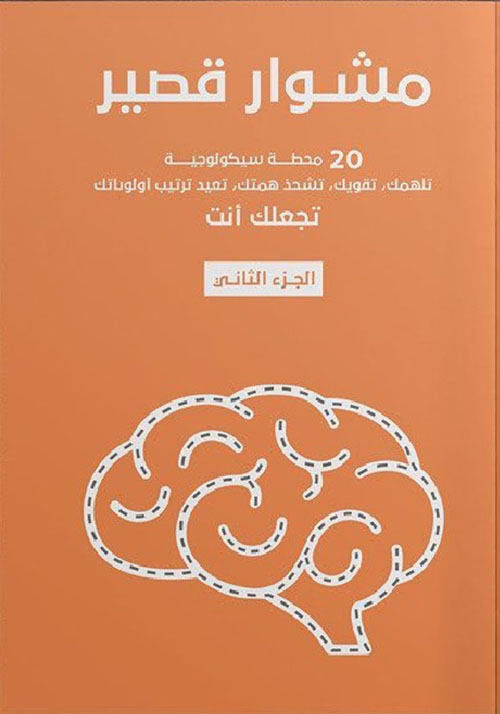
A short walk / part two:
More than one idea crowded into my mind, and I felt that the question was too deep for me to solve with a short answer, so the idea came to my mind to present short stories about the abnormal patterns of characters through the Instagram application, so I quickly implemented it, and within a few weeks the number of followers doubled several times, so I had to create a new dedicated account. To review and analyze these patterns in a brief, easy way that can be heard in two minutes, I called it (a short journey). After the success of the first part of the book, which dealt with 50 diverse contents and topics, I decided to complete the journey with the second part, which includes 20 topics on aspects of personality, self-development, and presenting positive values. It is brief and easy for the reader to understand and apply, to reach a wider segment, and to achieve greater benefit. .
A brief biography of Darkness:
A novel in which the Sudanese novelist Amir Taj Al-Sir talks about a person by profession (a blacksmith) who became a Minister of Culture and how his life changed from a simple person to a minister. He also recounts the important events that he witnessed in many interesting and funny anecdotes and situations.
تعرف على ١١ طريقة تم اختبارها لترتيب شكل مكتبك ومساحة العمل لتساعدك على الإنجاز والتركيز بشكل أسرع.- اكتشف طرق الإنجاز وتجنب المشتتات من حولك.- تعرف على أهم أنواع العراقيل والعقبات التي تسبب قلة التركيز وبطء الإنجاز وكيف تتغلب عليها.- تعلم فن إتقان الانتهاء من الأمور وفقًا لترتيب