I wrote the ideas I wanted to convey...what I wanted to reveal...this is a revelation...displacing talk from a heart full of goodness and burdened with silence...perhaps I did not follow the method in which books are written...because...oh dear reader...oh human being. Whether you are male or female, I did not write for someone to evaluate me and to gain appreciation from some and criticism from others, while being prepared to accept and welcome it if it is constructive, honest, and purposeful.
But I am writing to dialogue with you.. to exchange with you.. to chat together.. respond to me as you read.. talk to me.. address me.. I hear you, understand you, and listen to you.. object.. disagree.. and agree.. make me a person close to you.. a friend. Dear to your heart... and do not judge me... leave the judgment to the Creator of the universe... respect my difference from you... and accept my belonging to my human, cultural and intellectual identity... and remember that we are all from Adam... and Adam is from dust.
I promise to respect and appreciate you and thank you for choosing my book and adding it to your precious list. Take care of it and put it in a warm and beautiful place.
Thanks ..
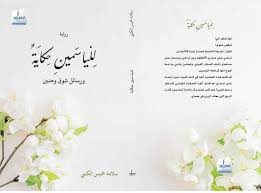
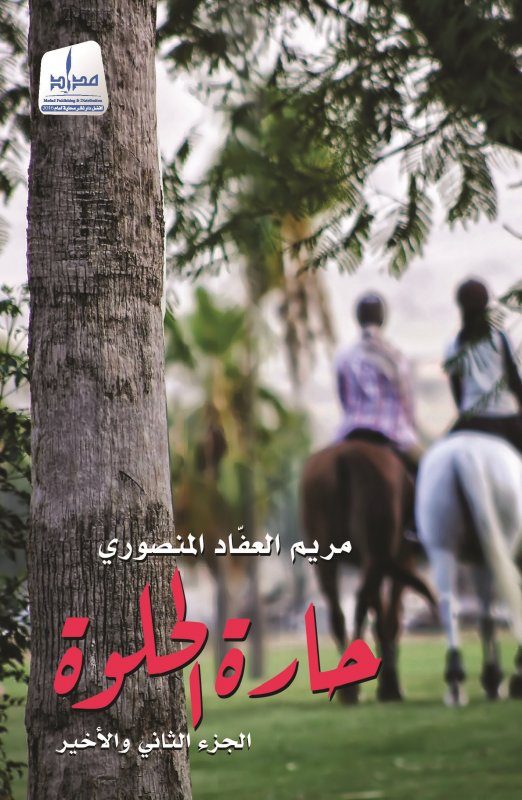
Title: Jasmine has a story
Genre: Dramatic romantic novel
Number of pages: approximately 100
The idea:
Al-Yasmine's story is a novel that tells the story of the child Ghaith, who grew up alone, isolated, orphaned and living under the care of his grandparents. He found in Yasmine the wind that revived his body, and she became his everything and his eternal love from the time she came as a little girl to visit her grandparents until she became a young woman. Circumstances made it so that she lived with him in the same house, so that their attachment to each other increased in a strange way and their relationship became stronger. Ghaith worked hard to graduate and get a prestigious job in order to propose to her wealthy diplomat father, who ruled that this love would not last. They separated so that Yasmine left to study outside the country. Ghaith could not stay in a place that held her memories. He returned to his isolation, deciding to move away in order to forget her and become busy with his work as a soldier outside the country, devoting himself to serving the nation. Until that day came, five years later, when Yasmine decided to enter his life again, as she was unable to forget him. Ghaith, who was angry at her reappearance and unable to face his feelings towards her and making it difficult for her to forget her, tries to distance her from him. However, they fall in love with each other again with greater force. Ghaith decides to propose to her for the second time, but her father's insistence on refusal cuts off all hope of their reunion. Until fate decided, years later, that Ghaith was injured during a military exercise and transferred to the hospital where Yasmine worked as a doctor, to get to know his wife, who proved to her that Ghaith still loved her.
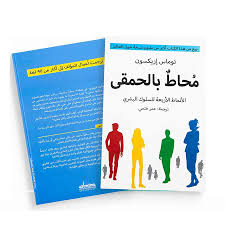
يقدم لنا كتاب محاط بالحمقى رحلة فريدة في أعماق السلوك البشري والتفاعلات الاجتماعية، يتناول هذا الكتاب ببراعة كيف يمكن للأشخاص المختلفين في طريقة تفكيرهم.
Trip to Japan:
A book in which Emirati writer Jawaher Al Muhairi interviews the creative and well-known personality in the United Arab Emirates (Mansour Al-Japanese), in which he talks about the differences between the Japanese and Emirati people and the common customs and traditions. It also embodies life in Japan, including the joy of living and funny anecdotes.
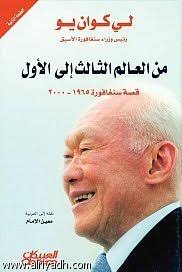
لم يتوقع سوى قلة قليلة من المراقبين أن تمتلك سنغافورة الصغيرة فرصة كبيرة بالبقاء، حين منحت استقلالها عام 1965م. فكيف - إذن- أصبحت المحطة التجارية النائية ...
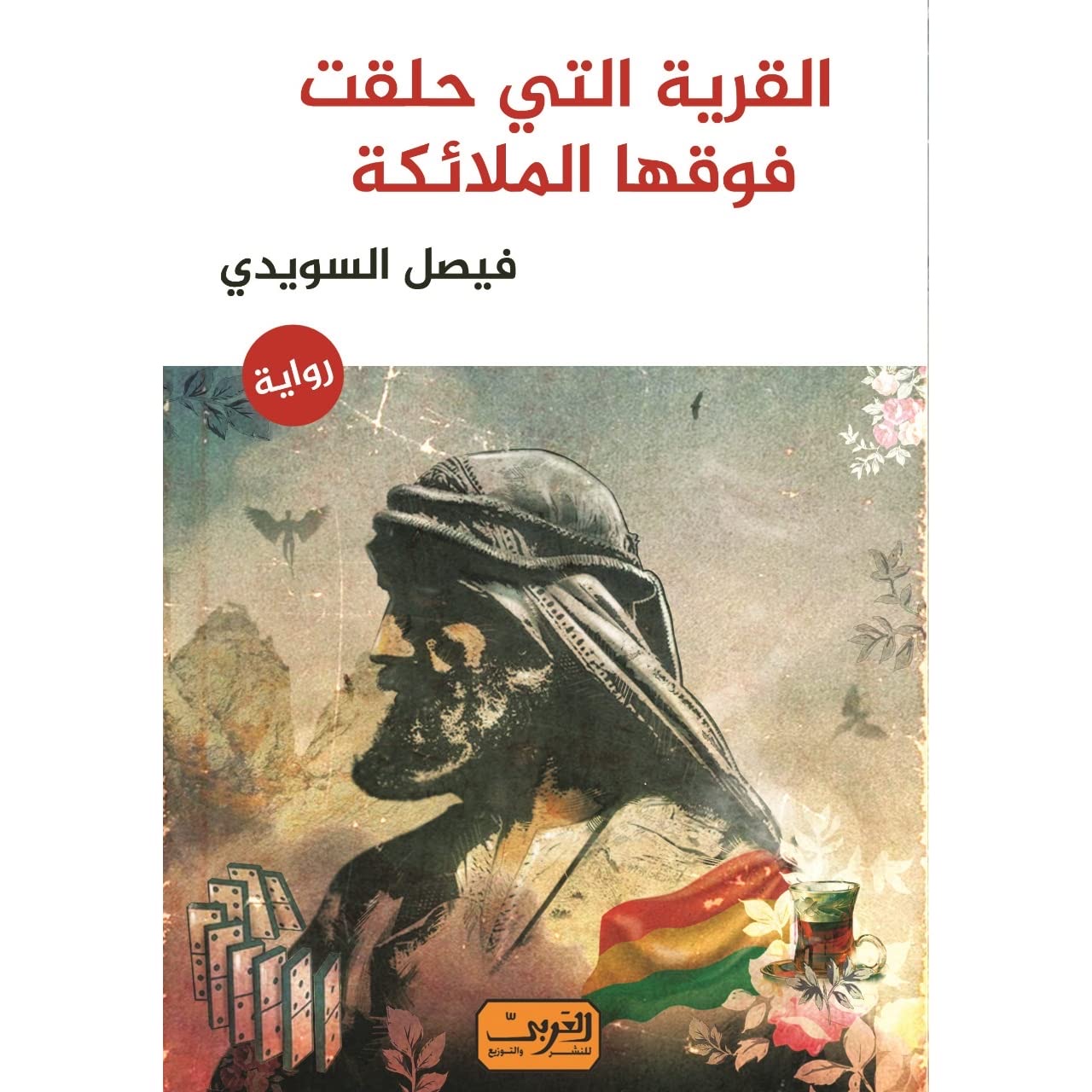
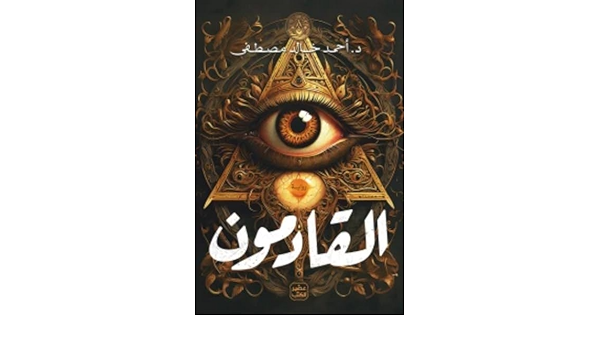
ها قد انتهى الزمن الطويل، وحان الوقت المنتظر. البشر بين لهو ولعب، وفتن كقطع الليل المظلم. الأرض تزيَّنت وتهيَّأت، وصعدت الشياطين على كل المنابر. فلا تدري أين تضع روحك، وكيف تقبض على دينك. ضباب الحق غطَّى سواد الباطل، وعين قلبك وحدها التي ترى. ثم حان وقت خروجنا.. وتهيَّأ البشر للفتنة الأخيرة؛ فتنة النهاية.