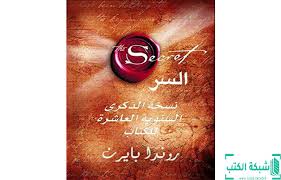
يعد كتاب السر من أفضل كتب المساعدة الذاتية مبيعاً لعام 2006، وهو من تأليف روندا بايرن، استناداً إلى فيلم سابق بنفس الاسم. وتقوم فكرته على قانون الجذب ويدعي أن التفكير الإيجابي يمكن ان يخلق نتائج تجعل الحياة أفضل مثل الزيادة في الثروة والصحة والسعادة
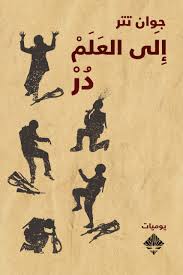
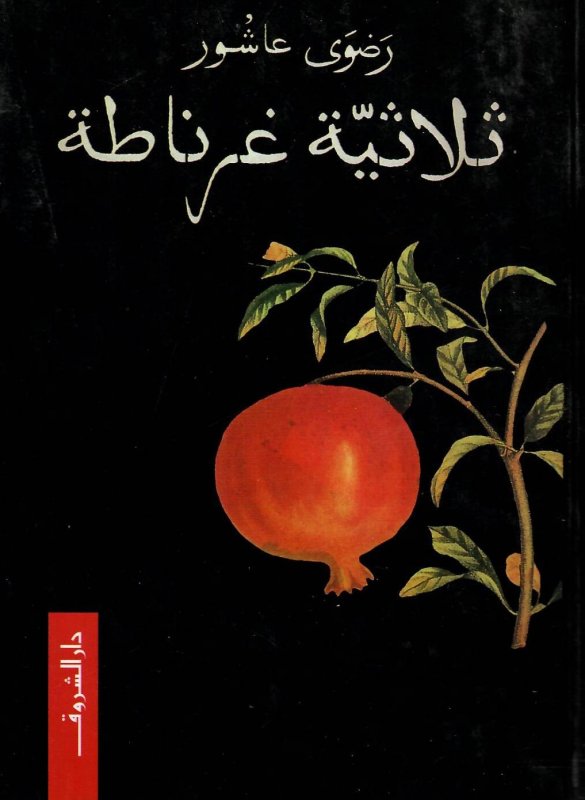
Joan Tatar's memory falters on scenes that Syrians experienced in the laboratory of their torment. It is the slow Syrian time that brings and brings with it in Tatar’s diary the various elements of the experience: starting from the market, to the soldier, to being discharged from it, in a biography that contradicts time, from symbolic death to symbolic birth, in a country that resembles a long dormitory crowded with people. Throughout this cycle of Syrian life, murmurs and stinks are present. Life, as Joan Teter portrays it in this book, is an experiment with low sounds that end in final silence. An experiment with the depths of fear. Is it deeper than we imagined? Is it possible to escape from the fear that has become part of water, and from thirst, part of glut, and part of hunger? Many opposites meet on that distant horizon that made the Syrian dough in the soldier’s laboratory. Were they prisoners or soldiers? Are they condemned or heroes? Everything is equal, all values are equal in that horizon which is the space of Syria, the space of fear and pleas for freedom.
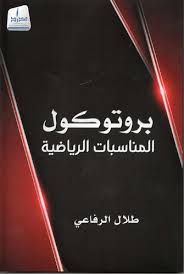
Sports event protocol...
Through my specialty as one of the former employees in ceremonies, head of the Presidential Protocol Department at the Ministry of Presidential Affairs, and through my participation in the committees organizing official and international competitions, events and celebrations, both continental and international, as well as local, for more than twenty years, I felt the need to document the experience due to the scarcity of sources. Specialized in this matter, and to be one of the references for researchers in this field and those interested in the organizational affairs of the events crowning the winning sports teams, and as a support for sports institutions and organizers of celebrations and events in sporting events.
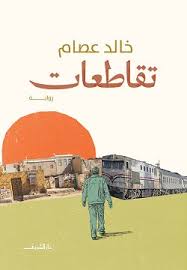
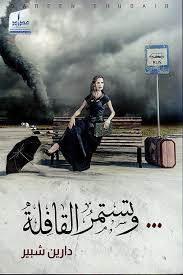
The convoy continues:
In this poetic version, you will enter my crazy world with my consent... You now have a permit that gives you the right to delve into the secrets of my soul... some secrets and feelings... and a “washah” through which you will learn “the meaning of passion”.. and you will master the “language of the eyes” to read “The Look of a Magician”. And you step into the “first dance” with all your might.
In this version you will see a woman whose heart takes her wherever she wants.. She once lived in a state of “steadfastness”... And she walked again “beside the wall”.
Despite all the pain, you will see “my mother’s face” that speaks of love.. You will see roses among thorns.. and love in times of war.. and hope despite the pain..
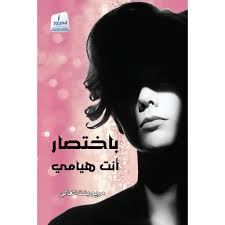
Summary of the book: In Brief, You Are My Dream. Written by: Maryam Bint Al-Aali I wrote in this book a lot of different feelings and topics. Between its lines there are feelings that go back to my heart, my feelings, and my general life. I wrote about love in the sense of my private heart, and about happiness, sadness, separation, and many feelings that carry praise for one person and reproach for others. My words here do not constitute one year or a period. Short of my life, but here is a group of years that began when my pen began to draw its first letters and continues to this day. There are also those feelings that do not belong to me, but rather to those around me. When they were happy, I had to write about their joy, and while they were sad and in pain, I had to speak instead of their hearts and share their sorrows with them through those pulsating letters. Every time I listen to what... They feel it from experiences in this life full of different stories. I used to quote a summary from it and spin it with my fingertips to form thoughts that tell what is inside them. We all always want to explain our different feelings, but that is difficult for everyone, as we are not equal. Thus, my pen was my heart with its feelings and experiences, and all of their hearts with all those things that they experienced. Share with me the details. I have talked about many things in the pages of my book, and yet my heart still longs to live more and sees that what I have written so far is nothing more than the letters of a few years that passed during my youth and youth. I talked a lot in my book about feelings of love, and I am fully aware that many will not understand them well. They will like the beauty of the letters and the harmony of the words, but only those who have lived the same feeling and know that love is not the love that exists between two genders or two people, but rather love is to love ourselves, so we love those who love us. We love life around us and thus we see people in a completely different light. As for separation, pain, sadness, treachery, and betrayal, I know that everyone will understand it and delusively think that it touches on the pain and pain that went through his heart, not because he actually felt it, but pain and sadness are somewhat similar in reactions and the way they are expressed by the majority, even though we live in different things. It has to do with what others experience, as separation is different people, times, ages, situations, and ways that are not as similar as they think. As for the beauty, happiness, and spontaneous feelings in our lives, they are what give us hope, ambition, and strength to remain steadfast in this life. In the last topics of my book, I spoke a lot and expressed my love for my friends. They are always the most important and have priority. Only them remain with us. No one shares our sorrows and joys except them. No one understands our strange behavior and different feelings except true friends who are absolutely indispensable.
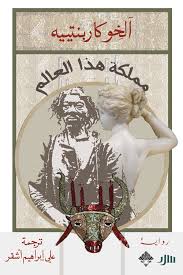
After Macendall escapes and is pursued, he takes advantage of the strange abilities with which he has been endowed, taking on the appearance of different animals, taking advantage of his talent to move instantly from one place to another, and because of the belief of his contemporaries in him, he encourages with this magic the most dramatic and strange uprisings in history.
A complete mythology remains of Macendal, accompanied by magical chants that are memorized by all the people, and are still sung in Voodoo ceremonies. In this novel, Alejo Carpentier draws inspiration from this mythology from a series of extremely strange events that occurred in Haiti, in a specific era that does not extend to a short human life, and he presents them through the character of “T. Noel,” who finally realizes how a person can find his greatness and his maximum extent. In the kingdom of this world.