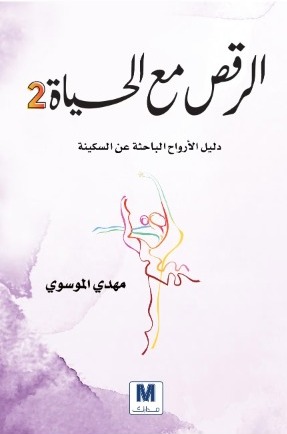
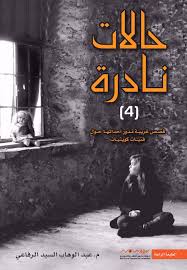
وتروي السلسلة مجموعة من القصص الواقعية على لسان طبيب نفسي يعمل في إحدى المستشفيات تتعلق بمرضاه المختلفة حالاتهم، لاسيما الفتيات منهم، ساردا أغرب الحكايات التي يبدو بعضها أقرب إلى الجنون من المنطق!
She's the one who killed me:
A person does not know what is going on in his hidden world
It is tall and beautiful, and when it fell, the sound of its fall was terrifying
It was as if a mountain had collapsed due to his hugeness and strength. He was the type of man whom you felt would never die or could not die. This is what a person thinks when he sees it filling around him with life. He works like a strange device that moves the flow of life around people, so events begin to come to you from every direction. Pleasant events happen to you. He produces life and distributes it without false packaging or illusions. I did not think that someone like him might depart from our lives in a disgusting car accident.
Was it still possible to add anything about Al-Mutanabbi, who filled the world and preoccupied the people, throughout these centuries that extended from his birth until now?!.. And did there remain a side of him that had not been studied, examined, and examined in more than one way, nor was it subject to discussion and debate among the fans of this great poet? And between his critics and haters?!.. Al-Mutanabbi is a unique figure in our literary heritage. His lovers, readers, and memorizers of his poetry are more numerous than those who can be counted, and it is too dangerous to clash with them without prior preparation and readiness. They have extensive knowledge of his poetry and many of the stages and details of his life. Their zeal in defending or attacking it is immeasurable. Therefore, the prior image is more binding. The imagined picture of him that they drew for him is too attached to the imagination to be discussed. Its relationship with national identity is more rooted and dangerous. This is what makes attacking him, for many, an attack on one of the nation’s “values and symbols.” But I am writing about Al-Mutanabbi after I spent two full years reading him, analyzing his poetry, and studying the details of his life in order to write a television series about him. Dramatic writing requires its author to penetrate as much as he can into the souls of his heroes in order to understand them, to imagine them in the situations in which humans might be, and to draw their reactions, with dramatic logic, as human reactions might be. All of this is within the framework of documented historical information.












-1717716452.jpeg)