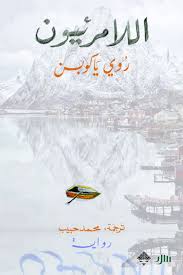
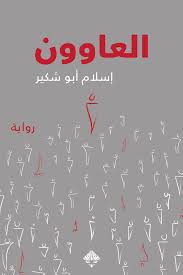
Ingrid Barøy was born on a small island off the northwestern coast of Norway, an island inhabited by only one family, living out their ambitions and dreams that collide with the boundaries of the land and the weather, and the mercy of the sea, which provides a living, but also brings death.
Father Hans dreams of building a pier connecting them to the mainland, but contact with the outside world comes at a price, which Ingrid will know fully after she grows up and goes to work there for a wealthy family and take care of her two children. With the couple disappearing one day, she finds no choice but to return to her home with the two children, and thus the island’s population increases in number, and a different life begins, especially as Norway awakens to a wider world, a modern world that is volatile and can be cruel.
“The Invisibles” is a profound interrogation of freedom and destiny, written with delicate narration and brief, simple, calm sentences tinged with poetic tensions, creating a painting of natural cinema that makes the “invisible” clearly visible.
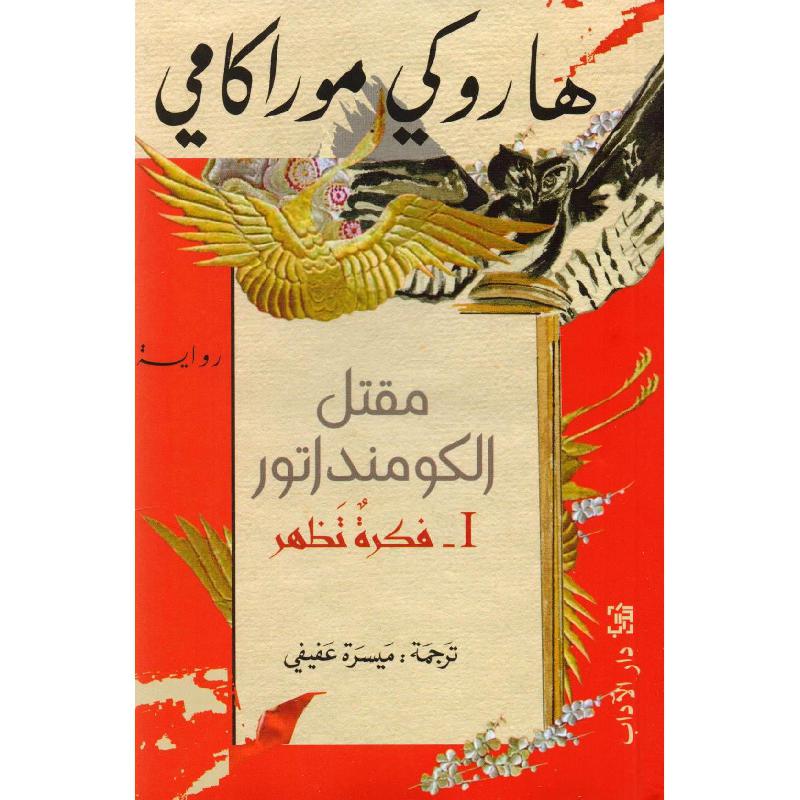
The little boy escapes from the midwife's hands, and all attempts to catch him fail, until Abu Muharib, a retired policeman who suffers from rheumatism, intervenes, using his old hunting experience.
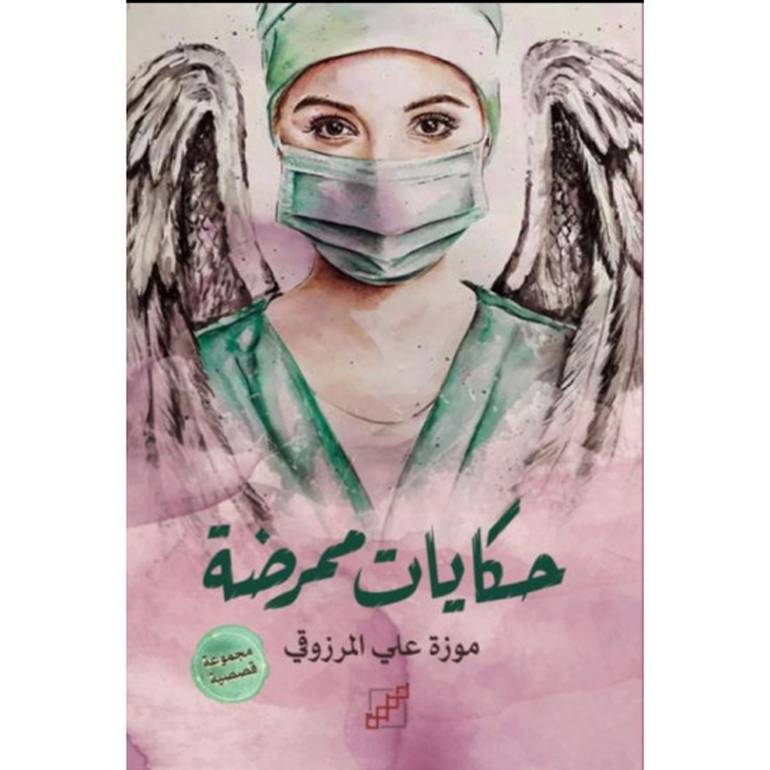
The chapters of the story continue, until the moment in which the reader finds himself facing a world in which reality is mixed with its strict natural laws, and imagination soaring on the same wings that changed the course of (the little one’s) life with her presence first, and her absence next..
What wings are these where scissors, scalpels, knives and guns lurk?
Who are those howling in the background?
What fate did those living below end up with?
The novel raises many questions, then stops at this point, shirking the burden of definitive answers, and assuming that the reader will not be let down by the wings of his imagination in reaching an answer.
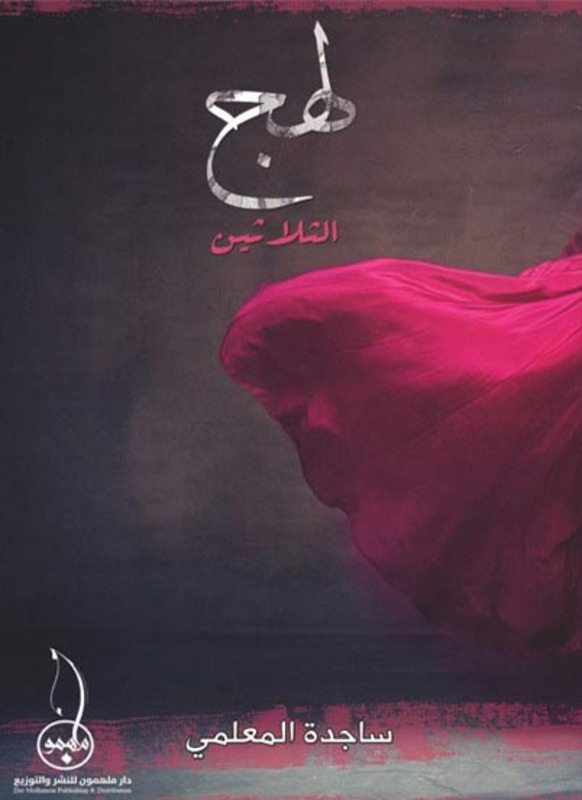
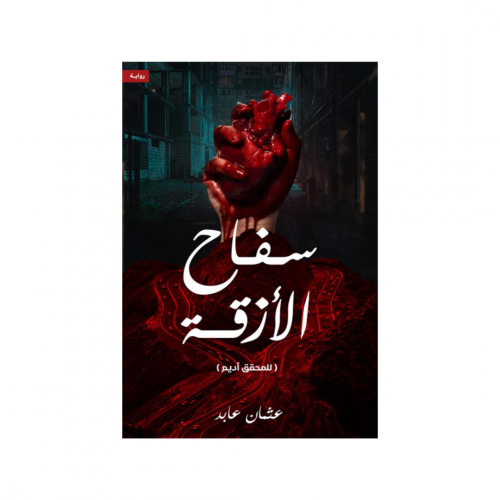
... عندما يقترن اسمي برتبتي العسكرية فهذا يعني غالبا أن الأمر يتعلق بعملي… لقد تم اختيارك لتكون ضمن فريق التحقيق الخاص لقضية " سفاح الأزقة " سيتم إنهاء إجراءات الطيران والحجوزات لقدومك لــ الطائف .
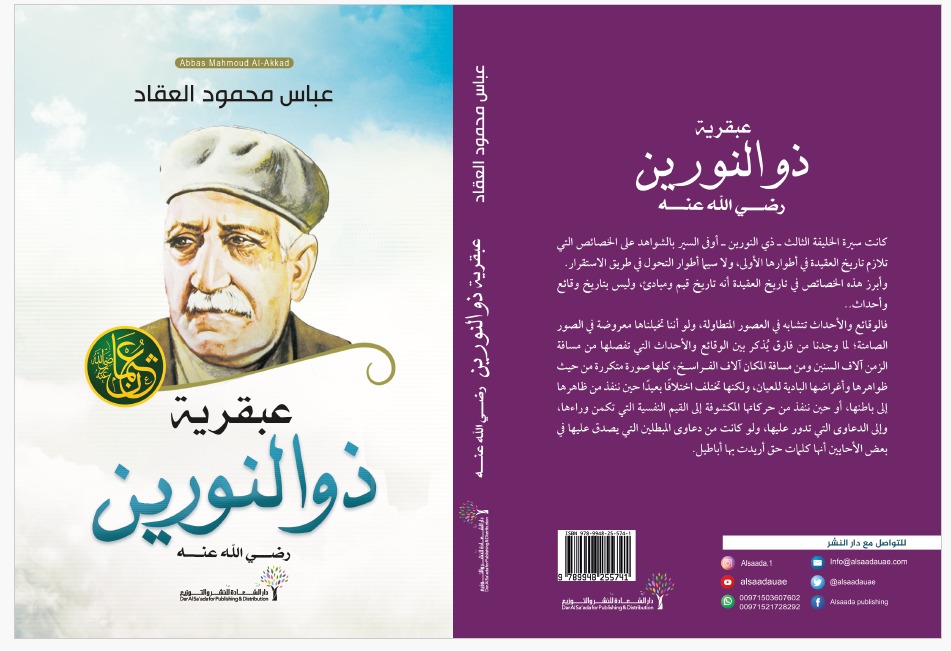
يتحدث في هذا الكتاب عن الخليفة الثالث عثمان بن عفان وعن اريحيته وليس عبقريته. و يقارن بين ما كان عليه العرب قبل الإسلام من ظلم الحكام إلى ما وصلوا اليه من محاسبة الحاكم وهي إحدى أهم ركائز الديموقراطية ويتحدث عن حادث مبايعته كخليفة وكيف تم اختياره من بين صحابيين جليلين هما: علي بن أبي طالب وعبد الرحمن بن عوف وان اختياره لم يكن خدعة للامام علي.
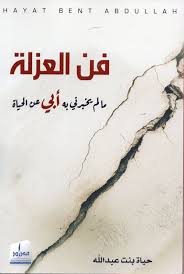
The art of isolation...what my father didn't tell me about life
40 AED
40 AED
0 Reviews0 sold
Product Details :
The art of isolation...what my father did not tell me about life: Do not be alarmed by the events of this world, and if you are forced to isolate yourself from people, know that their Creator comforts you. Always be close to Him, and do not fear isolation, for it is a bright corner through which we challenge the chaos of life.