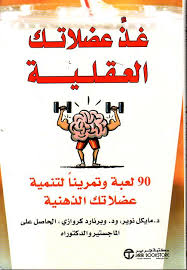
. الكتاب وسيلة لتعزيز قدراتك العقلية, اذ يحوى أحاجي وألعابا وأشياء أخرى تجذب الانتباه ـ أي أنه يحتوى على كل ما تحتاج اليه لكي تحافظ على ذهنك شابا !حيويا مليئا
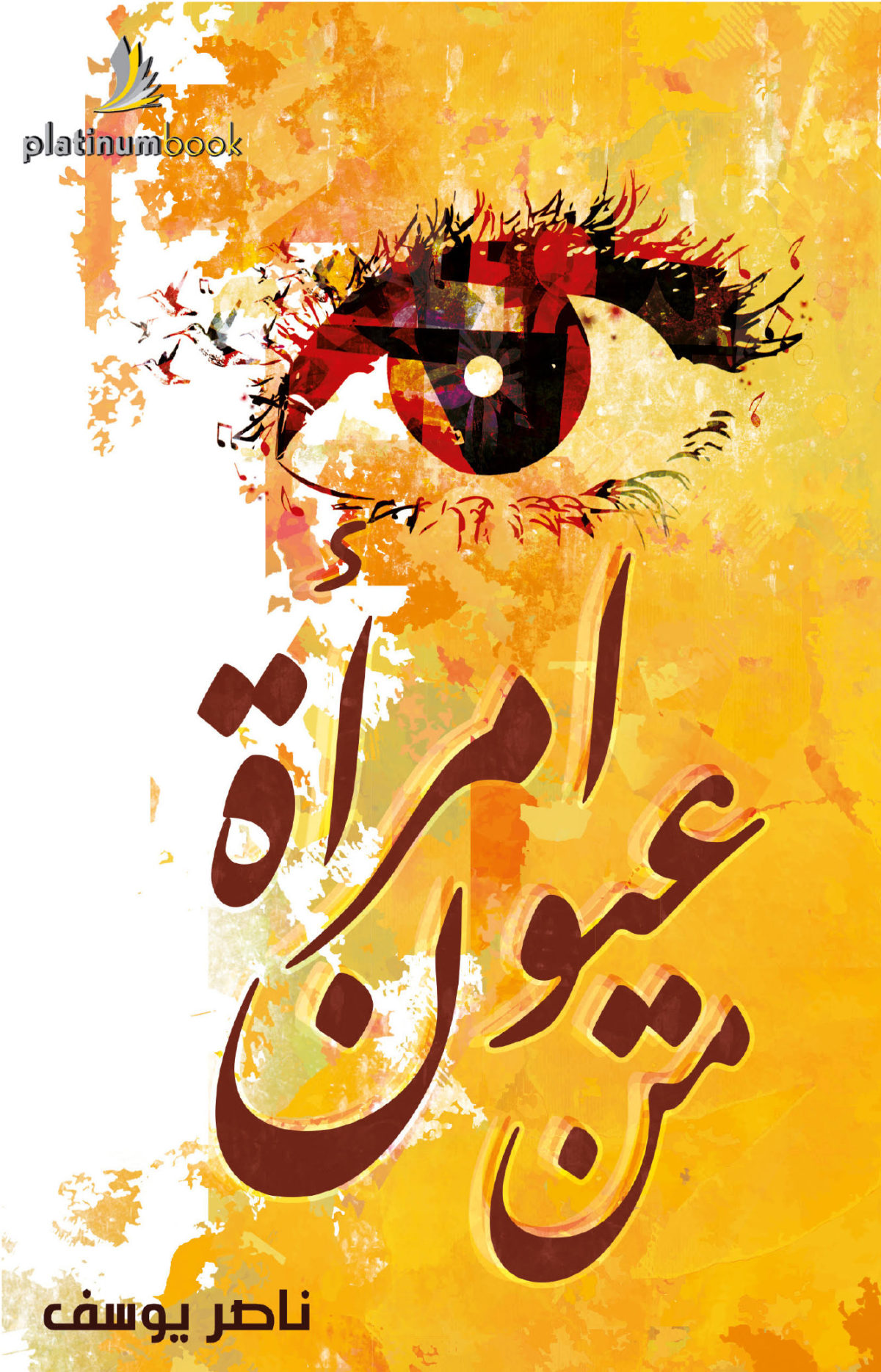
Summary of the novel:
I used to think that a person denies his mistakes in front of everyone, and admits them when he is alone!
You do not know all this, and I can return to you without telling you anything so that we can continue what we started
Together, but if I return to you without telling you what happened, I will not be worthy of you.
Even if I told you and apologized to you and you accepted my apology, I would not be worthy of your forgiveness!
This is how I decided to leave you. I changed my phone number and tried to forget everything that happened between us
In the past, I tried hard to forget that I met you, and what a difficult attempt it was!
I traveled far to complete the journey of oblivion. I spent long days alone outside.
My color turned pale and darkness fell under my eyes. I could not find relief or feel it at all.
I looked ten years older than my age!
I lived far from you and I was torn apart, the feeling of remorse still takes over my heart and sleep
He still leaves me!
After many months, I decided to return to my home. I realized that there was no longer any point in
Run away.
I came back knowing that you had continued your life away from me, but on the contrary, I decided to...
I live on what remains of my memories with you.
I preferred to live by it and write it down so that it would not be lost and vanished!
I just wanted to write about you and for you. Whenever I found something I wanted to write, it was for you.
My only refuge from the harshness of life is away from you!