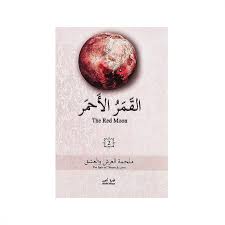
في الجزء الثاني من هذه السلسلة تتابع احداث القصة لتنسج ملحمة دموية تحوم حول العرش والعشق وتحل الغازا من تلك الاحجية المعقدة مجسدة تلك الاساطير الى واقع حي
Qasim, a lost young man, is forced to assume identities he did not choose, and always pays the price for mistakes he did not commit. But he finds an escape from his life and circumstances when the doctor, Ramzi Al-Nawawi, suggests that he travel with him to the country of the leader, “Big Boss,” to perform a mummification operation on the leader’s young daughter, who died under mysterious circumstances.
Their arrival is accompanied by a mysterious epidemic spreading in the country that only attacks girls. Ramzi finds his opportunity to propose a project to “decorate” the deceased women, and he is soon faced with accusations and accusations. However, Qasim, who is drawn after the doctor like a bewitched person, and under his illusion, is unable to confirm the truth of what is being said, nor to deny it. Does the doctor really have anything to do with the epidemic?
This time, breaking into a new world, Maryse Conde leads us from one mystery to another, in a breathless plot that strangely combines issues of identity, race, and religion, to tell us about the “flowers of darkness,” whom Ramsay believes are the only ones worthy of desire.
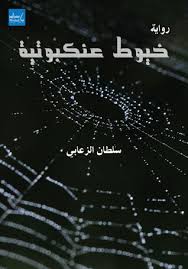
الرواية مليئة بالأحداث المُرعبة والمشوقة والشبيهة بالجزء الأول، عاد الكاتب لتكملة الأحداث المرعبة الطاردة للملل بين طيات هذه الرواية الرائعة، تتحدث عن بطل القصة "خوف" وصديقه خوف وتطبيق لمنا تعلمه في السنوات السابقة والتي تُعرف بعلوم الأولين وبدأ في مساعدة الناس.
Your eyes are a sea whose magic has no banks:
And now, with the storm of change reaching its climax, the ship of my life has tilted and deviated from its course. I have lost control of its rudder and sails amidst the vortex of daily routine, which our opposing circumstances wanted to come between me and my husband, Harib, most of the time. Each of us has the features of his day that are different from the other, and after my dreams were painting in my imagination a picture of complete compatibility. We have day and night, but the winds rarely bring what the ships desire.