About the book
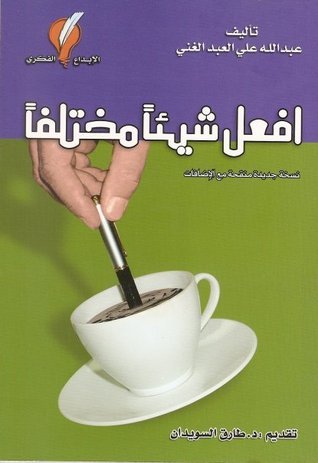
(It is not the end...there is another life)
This book aims to make the employee aware of the stages of life that he will inevitably go through and the extent of the changes that may occur from one stage to another. Talking about the stage that precedes the retirement stage, the spotlight also focuses on the stage in which his professional life ends, meaning (the retirement stage) and what comes after it, which is considered one of the most important stages because it is the last and there is no other stage.
The book also contains within it the most important problems and difficulties that an employee may face in his work and how to deal with them without fanaticism and impulsiveness.
The topic of retirement is discussed transparently and clearly to show the reader what it is and what changes may occur to the retiree in various aspects (material - social - psychological...). What is the correct way to cope with the decision to retire?
كتاب فيه من المقالات الاجتماعية التي تخاطب أولائك الذين اتكلوا على عقولهم وأعرضوا عن تهذيب قلوبهم، منها ما هو حديث العقل للعقل، وكثير منها حديث القلب للقلب،
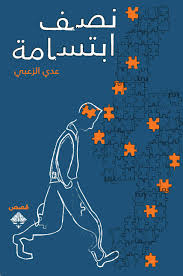
In the introduction to his first collection of short stories, the Chinese storyteller Lu Xun says that he found himself driven to write because he felt intense loneliness. He was not able to forget, or, rather, he was not able to forget completely; So, he wrote stories about the past.
This is exactly what prompted me to write: overwhelming loneliness. I also failed to forget, so I wrote what remained in my memory about Syria before the war.
Sometimes, exiles write about nostalgia for a country they miss and wish to return to. This is not like the nostalgia of Syrians: the country has completely changed, and even disappeared. We long for a place that does not exist, except in memory. And memory, as you know, writhes, colors, and churns. I am no exception, and my memory does not claim to be completely faithful to reality, but I tried hard to write exactly what you dictated to me.
Hopes, dreams, and losses are all fading quickly, and so is the country, and what remains of it is in us: as if it were a half-smile, or a summer cloud, or a bright comet passing quickly, only to disappear completely moments later, before the eyes of curious, bored viewers, indifferent to its fate...
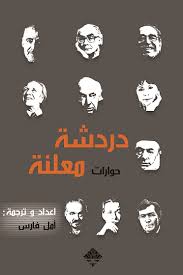
This book contains a translation of a number of television interviews with some of the most famous Latin American writers and poets, some of whom left our world leaving a great literary legacy, and some of whom are still with us today, enriching our lives with their cultural production.
The topics of these interviews varied between shedding light on the details of these writers’ personal lives and their biography and intellectual biography, to their critical opinions regarding their literary experiences and the experiences of some other writers.
Some of these interviews were conducted by media professionals and journalists on television programs, or were meetings that brought together writers with each other, such as Márquez’s interview with Neruda.
We hope that this book will be a window to discover new aspects about writers who enriched our culture and made our world wider.