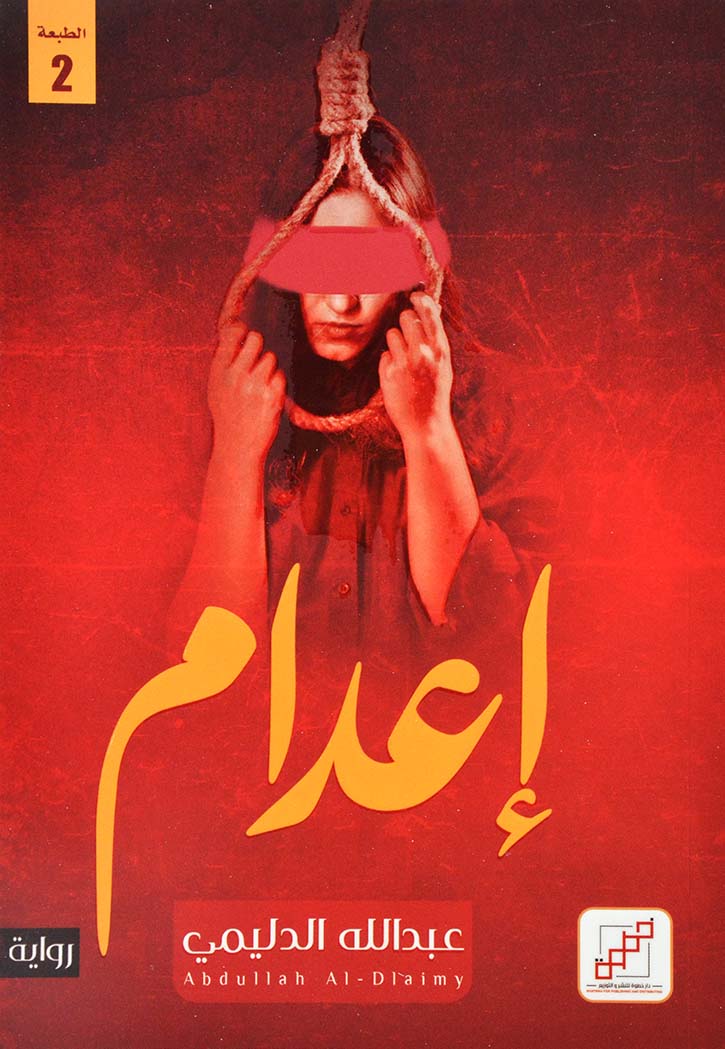
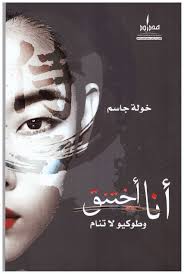
“I am suffocating and Tokyo does not sleep
The story of the book is:
I watch the city's inhabitants, programmed like robots, from the window of my narrow room, with dreams of attending those prestigious universities, those dreams that haunt us like ghosts.
Tokyoites wear the same faces, the same fake laugh.
The degree and inclination of bowing to greet one another is the same and does not increase or decrease a degree.”
In the small greenhouse that I built for my dear flowers and roses, secret conversations take place and stories are told. Each of them tells the other her legend and the stories she witnessed and heard.
I hide from them so that they do not notice my presence, and I record everything that happens between them in my notebook. It's always dawn, and I don't realize how long I've been here in this corner. The conversations and stories told by the roses were not happy at all, they were like thorns with their pain.
The notebook contains a mixture of myths, stories, and texts that Al-Basataniyya collected to share with the reader, as he talks about the dark side of unlimited happiness, about disappointments, and betrayals that never heal. About those human relationships that do not rise to the sky.
Briefly, about the definition of pain in its many faces, which are depicted with thorns running down their branches, leaving a prick, a mark on a finger that touched them, and hidden pain.
From every garden is a flower and from every garden is a thorn
Twenty-one thorns that the gardener documented in her notebook, proving that pain is a universal language that is not limited to the poor only, but transcends all social classes that humans have placed through their ignorance.
Human comedy:
By “human comedy,” I mean what I understood while I was still young, crude, and inadequate, namely the absurdity and amusements of human beings. Rather, I go further than Aristotle did in his definition of the word comedy, where he said: (Comedy is what causes laughter, rather than the defect that does not cause pain). As for me, I mean by comedy here, it is immorality, farce, play, contempt, recklessness, confusion, and the chaos of humanity, and there is no laughter in it. For me, comedy does not inspire reverence like the comedy of the Greeks or Dante, and it does not call for laughter like the comedy of Aristotle. Rather, it is a funny, crying comedy because of its contradiction and absurdity, and to those who say that humanity has accomplished a lot, I say that even if there are any notable highlights, achievements, or progress, they are the results of random interactions, scrambles, and quarrels that are unplanned and unplanned, like a gambler who sometimes wins and often loses, but it is an ungrateful gain. Or he should be praised for it, but it did not come from thought or action. Rather, it is absurdity, experimentation, and play.
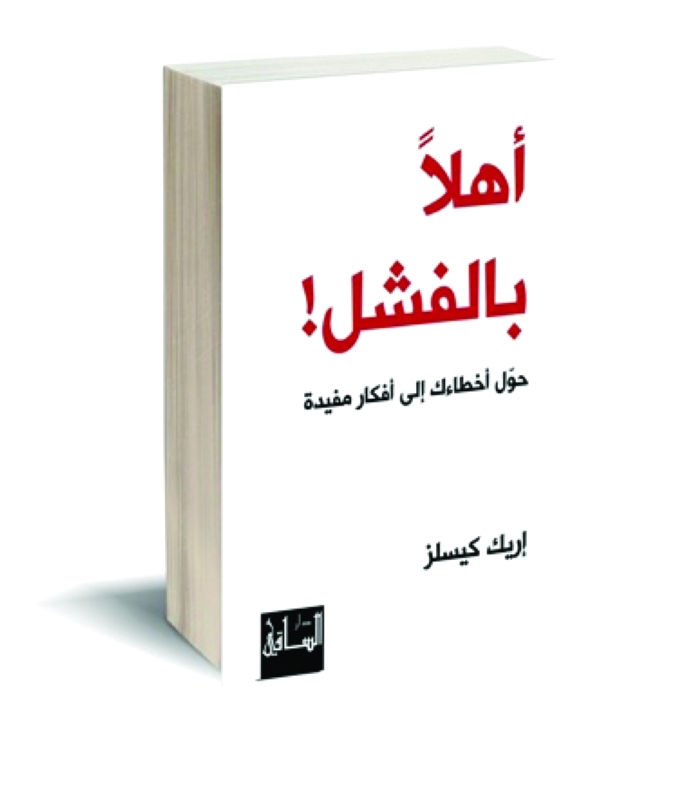
يتمحور الكتاب حول التحلّي بالجرأة المطلوبة لإنجاز فشلٍ ما، وحول الاستفادة من الأخطاء وتحويلها إلى مصدر للإلهام بدلاً من الشعور بالندم لحدوثها. هو كتاب عن المجازفة ...










-1718344027.jpeg)