"كم هو عُمرك يا إبراهيم؟هِجرات ثلاث..وسنوات ممتلِئَة بالتَّضحيات..وبناء بيتٍ لله..ومشاهد لا تُحصى من مواقف الثَّبات!بهذا تُقاسُ الأعمارُ يا سيِّدي..بعُمقِها وليس بطُولِها!ورُبَّ عُمر اتَّسعت آماده، وكثُرت أمداده، وأمطرت غيماته إلى قيام الساعة!يا إبراهيم.. رَفَعْتَ بيتًا لله، فَرَفَعَ اللهُ لك ذِكرَكَ، ورفَعَ مَقامك
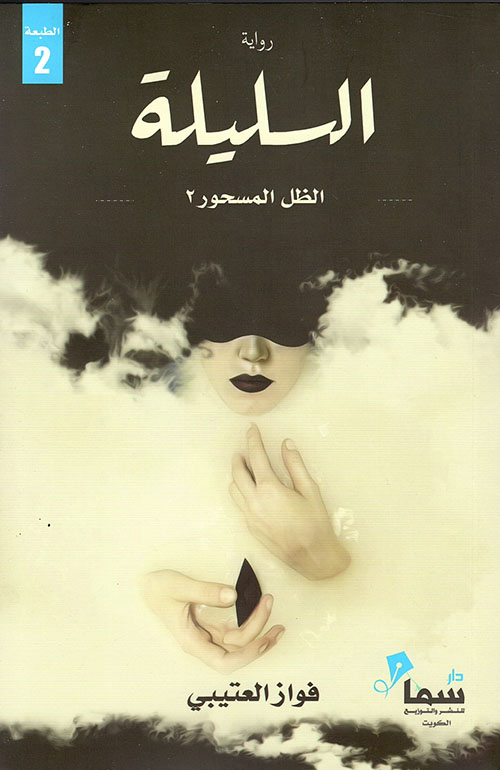
A university professor sees a painting in a museum in which a person very similar to his father is drawn, and he feels deeply that the resemblance does not stop at the symmetry of the two faces alone. A frightening intuition awakens within him, and he tries to meet a relative of the descendants of the man in the painting.
The novel's hero enters the maze of dream and wakefulness, and the maze of memory with its ramifications, evoking stories in which the real is mixed with the imaginary, and little by little we find that we are faced with several narratives, each one of which brings us into a new loss, until we ourselves become walking on the border between dream and wakefulness.
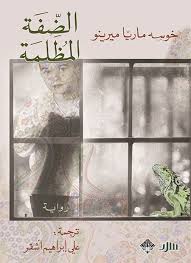
In “The Dark Bank,” José María Merino writes about the other or the companion, and about the past and memory, in a wonderful labyrinthine structure, within a vast time that lies on the margins of hours and pulses, and offers us pure pleasure that stimulates our imagination and senses.
خلف الأبواب المغلقة، تدور العلاقات الأسرية بين الآباء والأبناء، علاقات من المفترض أن ترشد الأبناء إلى مستقبلهم، داعمة لهم، مؤمنة بقدراتهم، ومتقبلة لطبائعهم المختلفة والمتفردة. غير أن ما نكتشفه جيلا بعد جيل، هو خروج الأبناء إلى عالم الكبار بثقة مزعزعة في المستقبل، وفي أنفسهم، محملين بأثقال ماضيهم الذي دارت رحاه في عوالم طفولية غير مرحبة باختلافاتهم، غير متفهمة لطبائعهم، وغير مشجعة لطموحاتهم وأحلامهم. ماذا يجري من أحداث خلف هذه الأبواب المغلقة؟ وكيف تتحول طفولة أبنائنا من واحة طمأنينة إلى فخ مرعب يلتهم تفردهم وإبداعهم، ويحولهم إلى أعداء لأنفسهم؟ وما السبيل إلى الخروج من هذا الفخ؟ يخوض الكتاب غمار هذه الأسئلة، ويحاول أن يقدم رؤية نفسية فريدة لطبيعة العلاقات الأسرية المشوهة، مقترحا مسارا للخروج من فخ الطفولة المسيئة، مبنيا على أسس علاجية تدعمها خبرة المؤلف في مجال العلاج النفسي.