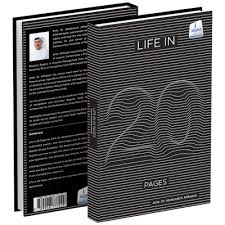
Life in 20 Pages by Amb. Dr. Abdulsalam AlMadani is a book that simplifies life, helps you understand people, and encourages you to have a positive attitude and high spirit despite all your hardships. The book highlights events and incidents in your daily life and teaches you how to deal with them with ease. It helps you solve your problems, achieve your aspirations, and articulate your dreams, no matter how impossible they seem.
Lifelong experiences are put in quotes to make it easy for people to understand life. The more you dig in, the more you realize that your biggest problems could have been solved if you changed your approach.
Life in 20 Pages will take you on a journey where you will feel lighter, happier, and more determined.
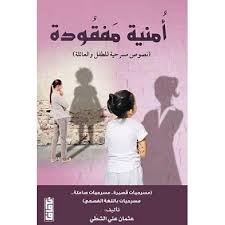
تتحدث القصه عن " صغيره " الفتاة التي تعيش بالخارج لإكمال دراستها تتخرج و تعود إلى الكويت لتسكن مع شقيقها الأكبر في منزله تتوالى الأحداث و تنتقل إلى السكن
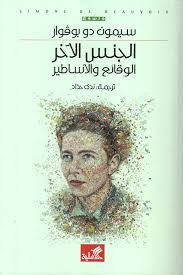
How could she find boldness, ardor, detachment, and greatness in her? These qualities only appear when a freedom throws itself into an open future, emerging beyond every given thing. We lock a woman in a kitchen or a bedroom, and we are surprised that her horizon is limited. We cut its wings, and we are sorry that it does not know how to fly. Let us open up the future to her, and she will no longer have to stay in the present.
We show the same contradiction when we imprison her within the confines of her ego, or her home, and blame her for her narcissism, her selfishness, and what accompanies them: such as vanity, crankiness, evil...etc. We strip her of all possibility of tangible communication with others, so that in her experience she does not feel the call of solidarity, nor its benefits, since she is completely devoted to her family, and isolated; Thus, we cannot expect it to transcend itself towards the common good. She stubbornly stays in the only field she is familiar with; Where you can exert influence over things, and within it you find fleeting sovereignty.