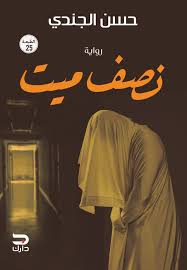
تعد رواية نصف ميت من أكثر الروايات مبيعًا في عام 2014 ويعتمد كاتبها الذي يعرف باسم حسن الجندي على سلاسة السرد واهتمامه بعنصر التشويق والإثارة، وهو يتناول في موضوعاته عالم العفاريت والجن، وقد يخاف البعض من قراءة هذه الرواية بسبب احتوائها على الكثير من الرعب وخوضها بعوالم كثيرة وغامضة، وتكلمت الرواية عن شخصيات
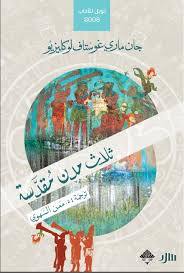
"Chanca", "Texcacal", and "Chon Bum" are three cities in the Mexican Yucatan Peninsula that enjoyed great religious importance during the class war waged by the Mayas against the Spanish colonizers. The religious importance of these cities is due to their being centers of the phenomenon of speaking crosses.
In this wonderful book, the French writer (who won the Nobel Prize in Literature in 2008) tells, with great poetry, about his observations in these towns, in a captivating style. The trees, the water, the wind, the forests, the sky, and the earth, all of them become humanized in Le Clezio’s writing, as He has a unique ability to transform nature and its elements into vibrant, sensual things.
this book ....
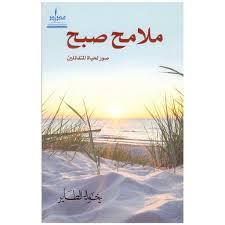
“Features of the morning... the first of positive values and daily self-development that carry clarity of mind and clarity of thought... in which words came forth that were easy and palatable, deep in meaning and broad in significance, fraught with the blessing of timing... a brief description of a life that has passed, lost and whose promise will come... morning messages that may be gifts of experience.” For those who have not tried yet, and reminder bells for those who have tried and forgotten.”
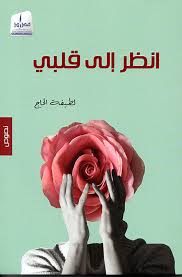
Look at my heart:
Latifa Al-Hajj returns with new texts entitled “Look at My Heart.” With her poetic style and deep feeling that touches the heart of everyone who reads it.
In all of her texts, Al-Hajj refers to the heart in which love resides and emanates from it, the love that heals, heals, and transforms desolate worlds into a garden of tranquility and happiness.
A poetic journey of 251 pages, which the author dedicates to the people of love and heart.






-1718337540.jpeg)