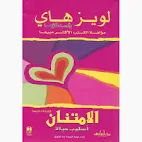
كتاب الإمتنان أسلوب حياة للكاتب الأمريكي لويز هاي هذا الكتاب يلفت نظرك لأن تمتن لكثير من الأشياء التي تحمل لها الكثير من الشكر لوجودها ، فالكتاب يلفت نظرك للمزيد من النعم التي منحها الله لحياتك ، فالقليل من الشعور بالامتنان أو الشكوى الدائمة من صعوبات الحياة لا تمنحك إلا القليل لتستمتع به . فغالبا ينتظر الشاكرون الكثير من النعم الاخري أما الشاكون فأن حياتهم ليس بها إلا القليل من النعم وذلك لأنهم لا يعترفون بتلك النعم الكثيرة التى تحيطهم ، وكذلك لأنهم لا يستمتعون بما لديهم بالفعل من نعم ، “فدائما يعطي العالم للإنسان ما يعتقد الإنسان أنه يستحقه “ويوجد الكثير من الناس ينظروا إلى النعم التي ليست في أيديهم ويشعرون دايما بالنقص مما يولد لديهم الكثير من المشاكل النفسية والسخط الدائم على حياتهم وحظهم.
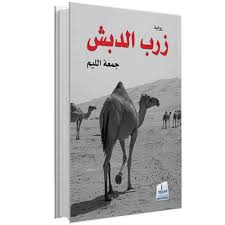
Zarb Al-Dabsh...
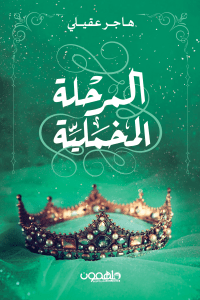
The Emirati writer, Juma Al-Laim, takes us to the world of Emirati heritage, in his novel recently published by Madad Printing and Publishing House, where he takes us between his lines to the old Furjan of Sharjah, in a narrative attempt to restore some of the images that are filled in the Emirati popular memory, about the period that witnessed the beginnings of transformation. Change and reform, and the period after the establishment of the United Arab Emirates, which embodied the aspirations of the people of the Emirates for a dear and civilized homeland.
In his novel, the writer focuses on the main hero in it, who is Abdul Rahman, and some of the contradictions and challenges that he experienced, like other young men at that stage, dealing in an interesting narrative style with social issues, such as the negatives that were prevalent in dealing with women, in terms of giving them the right to education, and obtaining... Its rights, many of which it was able to achieve, most notably education under the Union State.
It also brilliantly depicts the lifestyle that characterizes Emirati society, and the values and moral principles on which the people of the Emirates grew up, through the dialogues of the novel’s heroes, which embodied the image and features of that important stage in the history of the Emirates.
In his novel, the writer deliberately used the names that existed in that beautiful time, such as Zarb Al-Dabash, Al-Farij, Al-Mrayhana, Al-Saray, and other names that take us back to that beautiful time, full of kindness and simplicity, especially that intimacy and social solidarity that seems prominent in the novel. The lines of the novel, which are deservedly considered an evocation of the past in a brilliant narrative style, in which the writer depicts in words the details of social life, in the Emirates, and in Sharjah in particular.
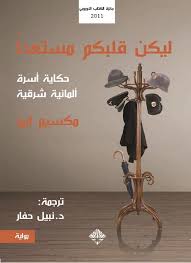
The rise of the Third Reich, World War II, the fall of Nazism, the disintegration of Germany, the rise of East Germany, the fall of the communist states, the fall of the Berlin Wall, the disintegration of the Soviet Union. Terms that may pass over in history books, but they carry dozens of questions: What really happened? How did families who found themselves on opposite sides, divided between opposing ideas and warring countries, live? What does it mean to live in a country that suddenly disappears, and the enemy becomes part of the homeland?
The first thing Maxim Leo learned was to refrain from any questions, even about his family history. Twenty years after the fall of the Berlin Wall, he too decides to break the wall of silence in order to understand what really happened there, with his family, with his grandparents, with his parents, and with himself. To answer the most difficult question: What was so important that it made us strangers to each other even today?






-1725458334.jpg)