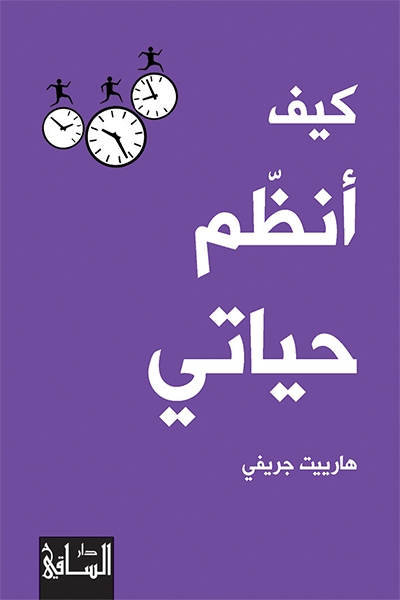
I decided here to write about my weakness, my strength, my surrender, my fear, my courage, my will, and life. I decided to challenge myself, between those letters, to write about my experiences, my failure, my mistakes, to ask myself a lot about all of that, about every reason that destroys me, and about every reason that makes me stronger. .
Here in this book you will find me advising myself one day, surrendering another day, accepting and satisfied, and angry and dissatisfied with everything at other times.
You will find among all of this a question that I researched in my experiences in order to answer it. I do not have the answer to it because your experience is different from my experience. Read my answer and search for your answer.
I write here because I care about me, I write here because I care about you.
When you decide to surrender, you must also decide not to, and when you decide not to, you must face some weakness until you find the strength within you.
I hope you find what you are looking for here, and I find what I want from writing.
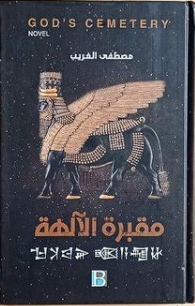
The little boy escapes from the midwife's hands, and all attempts to catch him fail, until Abu Muharib, a retired policeman who suffers from rheumatism, intervenes, using his old hunting experience.
The chapters of the story continue, until the moment in which the reader finds himself facing a world in which reality is mixed with its strict natural laws, and imagination soaring on the same wings that changed the course of (the little one’s) life with her presence first, and her absence next..
What wings are these where scissors, scalpels, knives and guns lurk?
Who are those howling in the background?
What fate did those living below end up with?
The novel raises many questions, then stops at this point, shirking the burden of definitive answers, and assuming that the reader will not be let down by the wings of his imagination in reaching an answer.