Will people change with time? What will the struggle for power be like seven hundred years from today? Where does the humiliation come from: from the other’s enslavement of you or from your submission to the idea of being a slave? What would change in the balance of good and evil if you had the opportunity to be in the place of your enemies: live among them, and see life from their perspective?
Many questions are raised by Pierce Brown in his vision of the world of the future, which seems more cruel, but does not differ in its laws from our current world. He tells the beginning of the story of Darrow, who belongs to the red class, the lowest class of the future society painted in colors. Like the people of his class, he works every day to make the surface of Mars a habitable place for life. He goes on dreaming of a better future for his children, believing that all classes of this society, including the golden leaders; They work for this dream, but he soon discovers the betrayal to which his people were exposed, and the illusion they live for. Motivated by the pain of a lost love, he embarks on a journey of revenge in order to overthrow his enemies, in which he is not deterred even by becoming one of them.
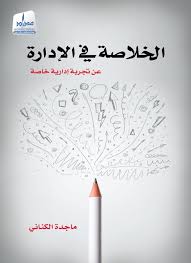
The book is entitled: Abstract in Management
(about a special administrative experience, which consists of (17) topics about some administrative concepts about management and employees, presented in the context of an article. Each topic concludes with a paragraph (the conclusion), which carries a summary of the article wrapped in advice to the reader. The basic ideas in the book are the importance of role models, and the urge for continuous training to refine... Skills, as well as the importance of dreaming in the life of a successful administrator, which leads him to success that only comes with work and knowledge, enhancing loyalty and career affiliation, in addition to a number of important administrative qualities in a successful administrator such as reading between the lines, recognizing personality types, perseverance in work, Be informed, break away from stereotypes, and search for purposeful change...etc
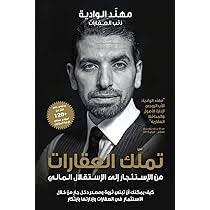
"يقدم مهند الوادية بكتابه "تملك العقارات" تذكيرا واضحا لملاك ومدراء العقارات بمدى أهمية التفكير خارج النطاق التقليدي، حيث يوضح بابتكار وبطريقة عملية في كتابه










-1718248913.jpeg)



-1718344524.jpeg)